Pomegra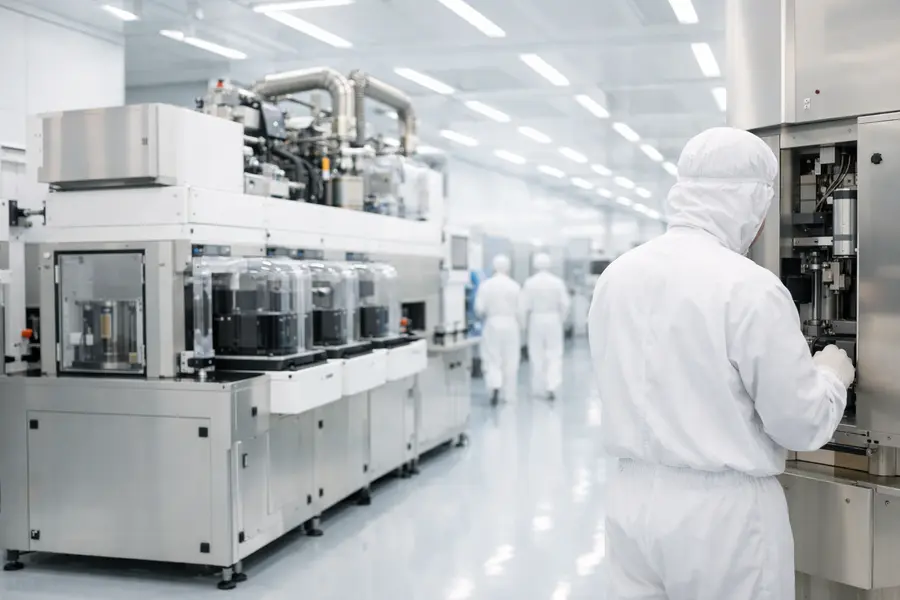
Reverion raised €154.2M in a Series B led by Kembara to build a 250 MW fuel cell factory in Germany, with up to 800 new jobs planned and data centers as the target market.
Key Takeaways
- Reverion closed a €154.2M ($175M) Series B on September 29, 2026, led by Kembara, the €1B deep-tech fund of Mundi Ventures.
- The planned German factory targets 250 MW of annual capacity, a tenfold increase, and up to 800 new jobs.
- Valuation is undisclosed. The round is nearly three times the €56M Series A of 2024.
Lead
Reverion, a fuel cell developer based in Eresing near Munich, raised €154.2M ($175M) in a Series B announced on September 29, 2026. Kembara, the €1B climate and deep-tech fund run by Mundi Ventures, led the round. The money goes mainly into a "megafactory" in Germany that would lift output to 250 megawatts a year and create up to 800 jobs. The site has not been named.
Who Backed the Round?
Kembara led, and four new investors joined: Allianz, KfW Capital (through a vehicle managed by UVC Partners), aurum Impact and Carbon Equity. Existing backers Extantia, Energy Impact Partners, alfa8, UVC Partners, the EIC Fund and Possible Ventures also took part. Reverion has not disclosed a valuation.
The prior round was a €56M Series A in 2024, led by Energy Impact Partners. A step from €56M to €154M in roughly two years is large for a hardware company with seven commercial units in the field. Capital is moving ahead of proven volume, and the factory is where that bet gets tested.
What Does Reverion Actually Build?
Reverion builds reversible solid oxide fuel cell power plants that convert gas into electricity without combustion. The systems run on natural gas, biogas or hydrogen, and can operate in reverse as electrolyzers. The company was founded in 2022 by Stephan Herrmann, Felix Fischer and Jeremias Weinrich.
Each installed plant delivers 500 kilowatts, and seven are operating. In September 2025 the company reported an electrical efficiency of 74.2%, which it describes as a world record. On biogas, Reverion says the plants carry a negative CO2 footprint. That claim depends on how the biogas feedstock is accounted for, and it has not been independently audited in the material the company has published.
Why Are Data Centers Now the Target?
Data centers are now the main demand driver because grid connections for large computing sites are delayed by years in many European markets. Reverion's containerized plants generate power on site and use existing gas infrastructure. The company began in agricultural biogas and is shifting toward this market, as well as heavy industry that needs continuous electricity.
Reverion cites a project pipeline worth more than $2B in potential revenue. A pipeline is not a backlog. Conversion from letters of intent to signed contracts will determine how quickly the new factory fills.
How Big Is the Factory Plan?
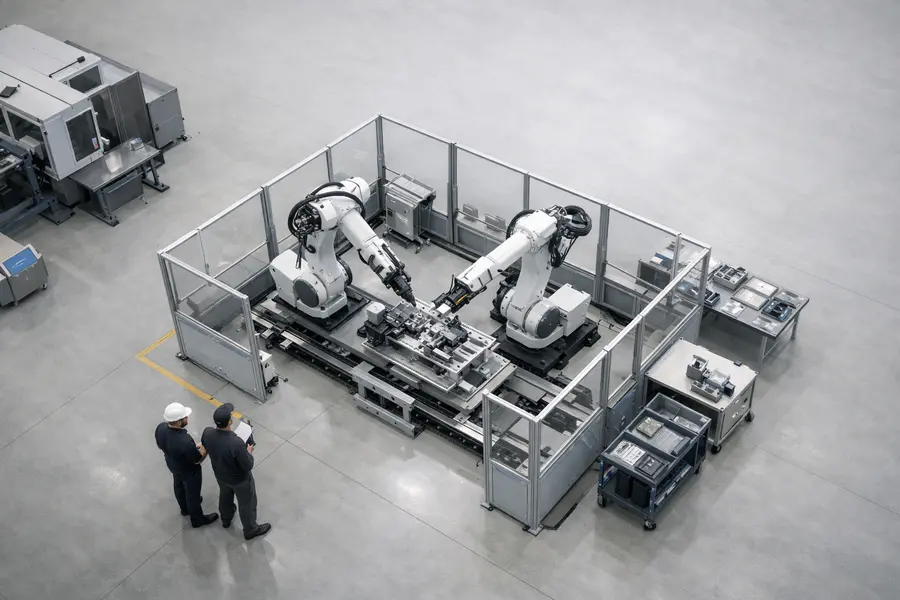
The factory aims for 250 MW a year, ten times current capacity. At 500 kW per unit, that equals about 500 plants annually. Headcount in Eresing has grown from about 100 to more than 200, and the new site adds up to 800 positions.
Hiring 800 people in Germany for specialized ceramic and electrochemical manufacturing is a constraint of its own. The location, timeline to full capacity and construction schedule are all undisclosed. Those details will show whether the ten-fold target is a 2028 goal or a later one.
What Are the Risks?
Scale-up is the central risk. Fuel cell makers have repeatedly found that lab efficiency and pilot reliability do not carry over cleanly to factory yields. Seven units in service give Reverion a thin operating record for the lifetime and degradation claims that data center buyers will examine.
Fuel economics also matter. A plant running on natural gas is only as clean as its gas, and customers weighing it against gas turbines and engines will compare cost per kilowatt-hour alongside efficiency. The 74.2% figure is a strong argument against conventional generators, though it applies to the company's own system rather than a standardized benchmark.
Outlook
Reverion has the capital for its factory and a pitch that fits the power shortage facing data center operators. What it lacks in public detail is a site, a schedule, a valuation and contracted revenue behind the pipeline. The next signals to watch are the factory location announcement, the first large data center contract and production yields as output rises beyond seven units.