Pomegra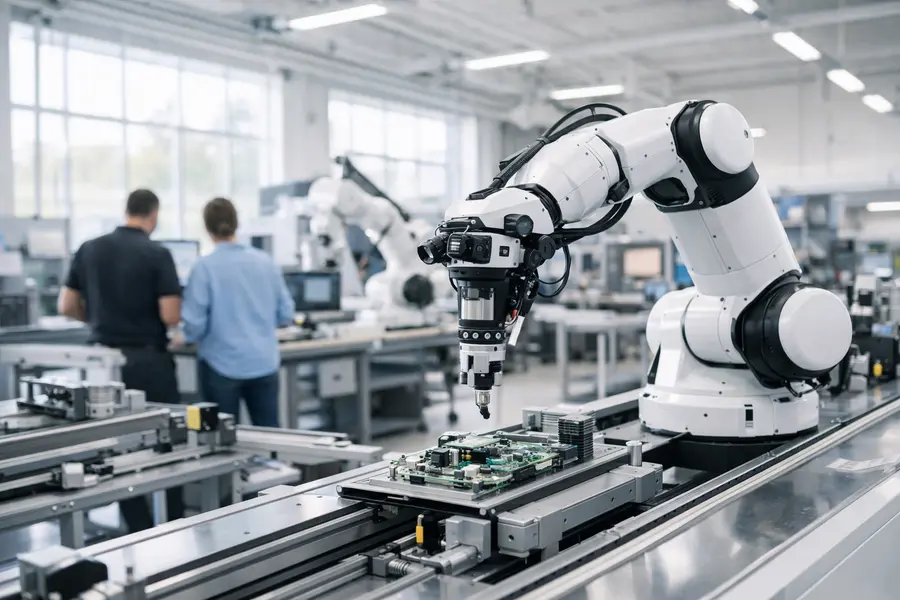
Lyte, a robotics perception startup founded by former Apple Face ID engineers, raised $165 million in a Series C round at a $1.6 billion valuation, less than nine months after emerging from stealth.
Key Takeaways
- Lyte raised $165M in a Series C led by Maverick Silicon, pushing its post-money valuation to $1.6 billion.
- The company emerged from stealth in January 2026 with $107M and has now raised $272M total.
- Founding investor and chairman Avigdor Willenz - the chip entrepreneur behind Galileo Technologies and Habana Labs - backed the company from inception.
Lead
Mountain View-based Lyte closed a $165 million Series C on September 2, bringing its total raised to $272 million and its valuation to $1.6 billion. Maverick Silicon led the round. Returning investors Fidelity Management & Research, Atreides Management, and Ora Global (formerly Exor Ventures) participated alongside new backer Key1 Capital. The round arrives eight months after Lyte announced its existence to the world with a $107 million raise - itself a remarkably large debut for an unproven company.
What Does Lyte Actually Build?
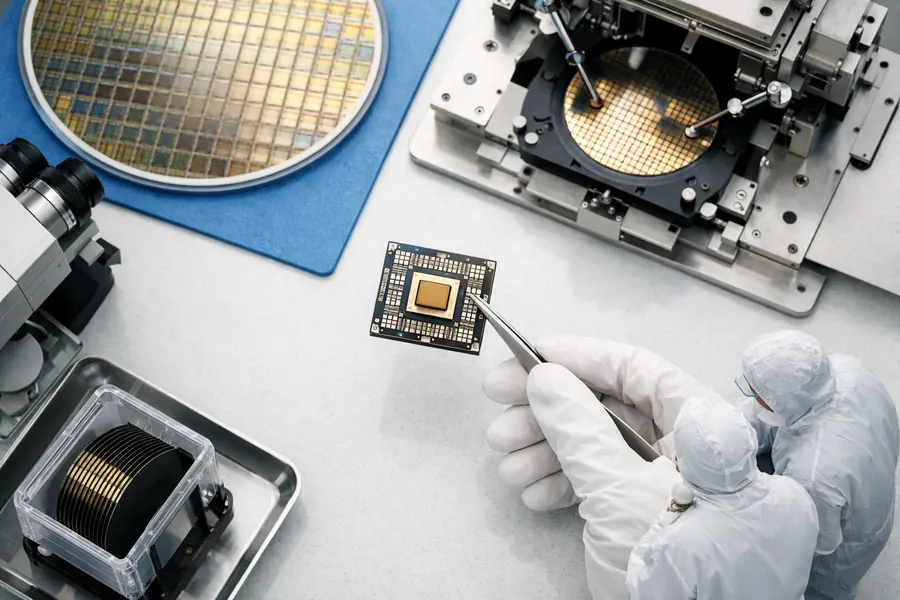
Lyte builds perception systems for robots. Its platform, LyteVision, integrates 4D sensing, RGB imaging, and motion awareness into a unified stack that includes custom silicon, multimodal sensors, and spatial software. The company's pitch is that existing industrial robots are effectively blind - they execute instructions in controlled environments but cannot reliably interpret unstructured, dynamic spaces. Lyte targets warehousing and manufacturing customers who want machines that can navigate and act in real-world conditions without constant human oversight.
The product displaces a fragmented mix of off-the-shelf depth cameras, LiDAR modules, and software wrappers that most robotics integrators currently stitch together themselves.
Who Built It, and Why Does That Matter?
The founding team carries unusually direct credentials. Alexander Shpunt, Arman Hajati, and Yuval Gerson all worked on Apple's Face ID system and, before that, at PrimeSense - the Israeli 3D-sensing company whose technology powered the original Microsoft Kinect. PrimeSense was acquired by Apple in 2013 for a reported $360 million. The team's background is not in robotics software - it's in building the actual sensing hardware that makes machines see.
That lineage helps explain why Avigdor Willenz agreed to chair the company from day one. Willenz founded Galileo Technologies, acquired by Marvell for approximately $2.7 billion in 2000, and Habana Labs, sold to Intel for $2 billion in 2019. His pattern is backing early-stage chip and silicon platform companies when the underlying market is still being defined. His presence as a founding backer, rather than a later-stage financial investor, signals a bet on the hardware layer of physical AI - not just the software sitting on top of it.
Why Is the Valuation Moving This Fast?
The $1.6 billion figure is notable less for its size than for its pace. Lyte did not exist publicly before January 2026. Nine months later it commands a valuation that puts it in the same conversation as well-funded robotics names that have been operating for years. That compression reflects a broader investor conviction that physical AI - robots that perceive and act in the real world - is at an inflection point.
Warehouse automation demand accelerated sharply as labor costs rose and e-commerce volumes remained elevated post-2020. Manufacturers under pressure to reduce dependency on constrained human workforces are willing to pay more for perception systems that actually work in production environments rather than controlled demos. Lyte is positioning its hardware-software stack as the perception layer these operators will need regardless of which robot platform they deploy.
The Series C valuation does raise an implicit question about the January round. If the $107 million raise implied a post-money valuation somewhere in the $500-600 million range, the jump to $1.6 billion in under a year reflects either genuine commercial traction or an aggressive repricing by investors chasing scarce physical AI assets. The company has not disclosed customer counts or revenue figures.
What Does the Investor Composition Signal?
The combination of Maverick Silicon as lead with Fidelity and Atreides as returning participants is worth reading carefully. Maverick Silicon is a chip-focused fund - consistent with Lyte's emphasis on custom silicon as a core differentiator. Fidelity's continued participation suggests the financial investors who came in at the January round did not exit or rotate out. Atreides, known for longer-duration bets across technology sectors, staying in through a third round indicates conviction that Lyte's window extends beyond the current robotics hype cycle.
Outlook
Lyte now has $272 million and a $1.6 billion valuation to work with. The company's next test is not fundraising - it's whether LyteVision deploys at scale in production facilities, not just pilots. The January stealth exit gave the company a story; the Series C gives it the capital to execute. Willenz's involvement sets a high bar: the companies he has chaired before were built to last. Whether Lyte's custom-silicon perception bet holds up when larger players - chip giants, industrial robotics incumbents - eventually move into the same space will define whether this valuation proves conservative or premature.