 Pomegra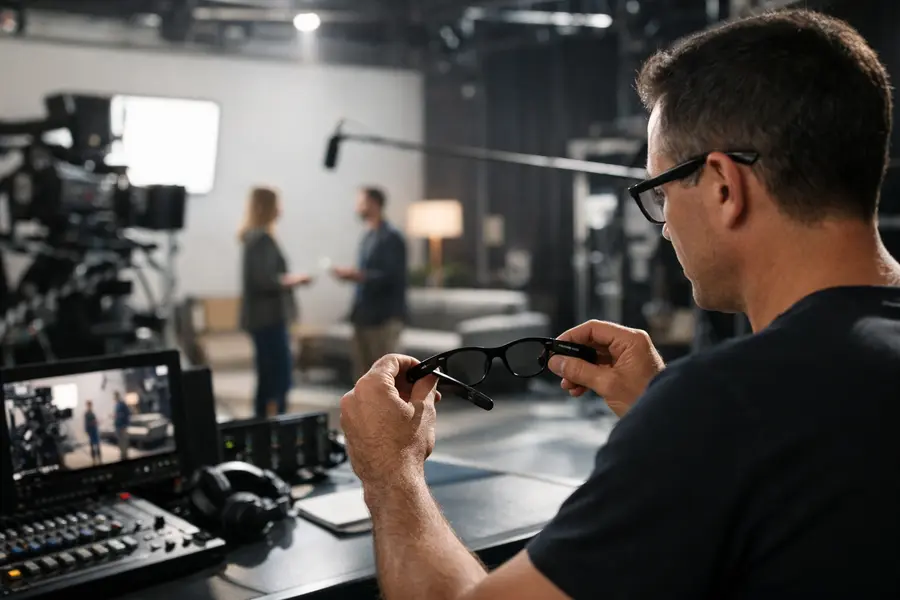
Legato, founded by the creator of Bose Frames, raised $12 million to launch AI-powered hearing glasses that embed amplification tech discreetly into eyewear arms.
- Legato raised $12M from Neotribe Ventures, Listen, and Village Global to commercialize its AI hearing glasses, Legato Frames.
- Founders Mehul Trivedi and Steve Romine previously built Bose Frames and led Bose's hearing aids division, respectively.
- The U.S. hearing loss market covers an estimated 50 million adults, but roughly 80% of those diagnosed go untreated.
Lead
Legato, a San Francisco-based hearing technology startup, came out of stealth on August 26, 2026, announcing $12 million in funding and unveiling Legato Frames - a pair of eyeglasses that embed AI-powered hearing assistance directly into the frame arms. Neotribe Ventures led the round, with Listen and Village Global participating. Legato was founded in late 2024 and has operated quietly until now, spending its early runway on product development rather than publicity.
What Does Legato Frames Actually Do?
The device is not a hearing aid in the clinical sense. Legato Frames use a patented AI system built into the arms of standard-looking eyeglass frames to isolate voices from ambient noise and amplify them in real time. The company says this avoids the cognitively fatiguing "wall of sound" amplification that burdens wearers of conventional hearing aids, which amplify everything indiscriminately.
The frames are designed to pass as ordinary eyewear. The hearing tech lives entirely within the arms - no external receivers, no in-ear components. Legato has applied for patents on the underlying hardware integration. The AI processing happens on-device, though the company has not disclosed chip or compute specifications.
Why Does the Existing Market Leave 80% of Patients Behind?
Traditional hearing aids carry price tags ranging from $1,500 to over $7,000 per pair and are distributed primarily through audiology clinics, adding friction for first-time buyers. Stigma compounds the economic barrier: many people with mild-to-moderate hearing loss delay treatment for years rather than wear a visible medical device.
Over-the-counter hearing aids became federally permitted in the U.S. in 2022 and have since attracted entries from consumer electronics brands, but most remain identifiably medical in form factor. Legato is betting that packaging the functionality inside eyeglasses - a product millions already wear daily - removes both the stigma and the entry point objection simultaneously.
Legato Frames will be priced below traditional hearing aids, and purchases made through participating eye care providers will be eligible for vision insurance reimbursement rather than the more limited hearing benefit. Specific retail pricing has not been disclosed.
Who Built This?
Co-founder and CEO Mehul Trivedi led product development of Bose Frames, the audio sunglasses Bose launched in 2019, and later moved to EssilorLuxottica, where he worked on smart eyewear integrations including the Meta Ray-Bans. Co-founder Steve Romine ran Bose's hearing aids division and subsequently served as COO of Audicus, a direct-to-consumer hearing device company.
The combination of consumer wearables pedigree and clinical hearing care experience is relatively uncommon in a sector still dominated by traditional medical device companies. Legato's founding team has direct experience designing hardware that consumers actually want to wear - a constraint that most hearing aid manufacturers treat as secondary to clinical performance.
What Does This Signal for the Hearing Tech Sector?
Big consumer hardware players have been circling the hearing space. Apple added clinical-grade hearing aid functionality to AirPods Pro in 2024 following FDA clearance. EssilorLuxottica has made investments in hearing-integrated eyewear. This is the context Legato enters: a space attracting both medtech incumbents and consumer tech giants, with OTC legislation having already lowered the regulatory floor.
A $12M seed does not fund manufacturing at scale or a broad retail rollout. The fall 2026 target launch at legatohearing.com and through select eye care providers suggests Legato is running a controlled initial distribution, gathering real-world hearing performance data before expanding. Valuation for the round was not disclosed.
Outlook
Legato's core wager is that form beats function as the primary adoption barrier in hearing assistance - and that an AI system good enough to isolate speech clearly can deliver clinical value inside a frame most people already accept. The fall 2026 launch will test that thesis against actual users. If the AI performs and the price lands meaningfully below existing OTC options, Legato has a credible path through a market where stigma, not technology, has been the primary constraint on adoption.