Pomegra
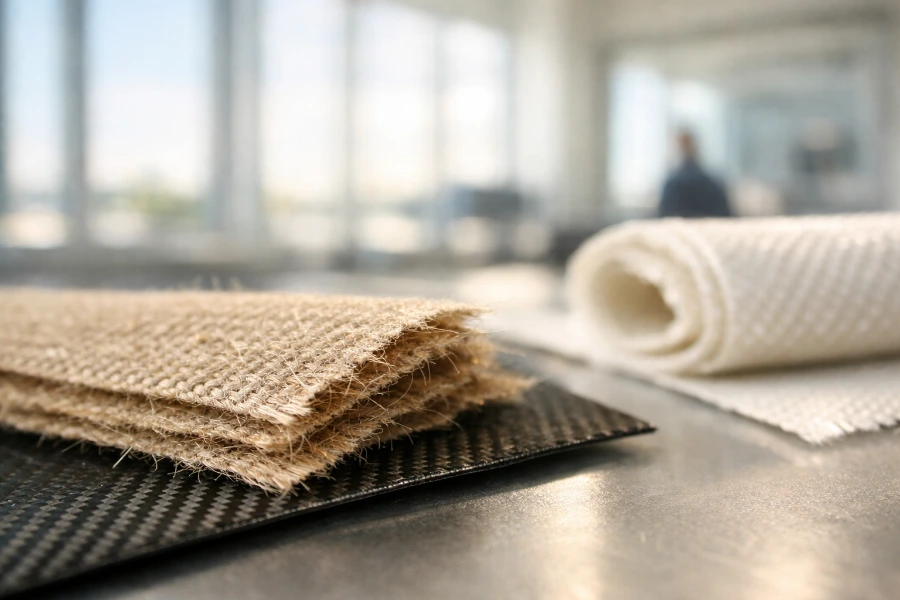
Swiss materials maker Bcomp secured €20 million in EIB venture debt to build a Romanian plant making flax-fibre alternatives to carbon fibre, glass fibre and plastics.
Key Takeaways
- The European Investment Bank is lending Bcomp €20M in venture debt, backed by the EU's InvestEU programme.
- The money funds part of a €47.6M investment programme running from 2027 to 2030.
- A high-volume plant in Timișoara, Romania, is the centrepiece. Valuation is undisclosed.
Lead
Bcomp, a Fribourg-based maker of natural-fibre composites, announced on 24 November 2026 that it had secured €20 million in venture debt from the European Investment Bank (EIB). The financing is backed by the EU's InvestEU programme and supports a €47.6 million investment programme. That programme covers a high-volume manufacturing plant in Timișoara, Romania, and continued research and development in Switzerland. Bcomp plans to carry out the work between 2027 and 2030.
The loan is debt, not equity. No new shareholders joined, and the company has not disclosed a valuation.
What Does Bcomp Actually Make?
Bcomp makes reinforcement materials from flax fibres, sold as ampliTex and powerRibs. They are designed as lighter and lower-footprint substitutes for carbon fibre, glass fibre and conventional plastics. The company says they fit into existing manufacturing processes, so customers do not need to retool.
Customers sit mainly in automotive, motorsport and recreational equipment. Bcomp, founded in 2011, also operates across Europe, Asia and North America alongside its Swiss headquarters. The company describes the environmental footprint of its materials as significantly lower than that of the incumbents. That claim comes from Bcomp and the EIB's own release, not from an independent lifecycle study cited in the announcement.
Why Did the EIB Choose Venture Debt?
Venture debt suits a company that has proven a product but needs capital for fixed assets. A factory is the kind of spend that dilutes founders badly if funded through equity alone. The InvestEU guarantee reduces the EIB's risk on a borrower of this profile, and the bank says the arrangement also signals confidence to other financiers.
The numbers show the split. The EIB covers about 42% of the €47.6 million programme. The remaining €27.6 million has to come from Bcomp's balance sheet, existing shareholders or other lenders. The release does not say where that money comes from.
How Does This Follow the Last Round?
Bcomp closed a €37.6 million Series C in April 2024. Investors included BMW i Ventures, Porsche Ventures, Airbus Ventures and the Volvo Cars Tech Fund. Those shareholders are also customers or potential customers, which ties the company's capital structure to its order book.
The EIB loan is therefore a second step. Equity funded product development and market entry. Debt now funds capacity. A lender will want evidence of contracted demand before releasing money against a plant, though the announcement names no customer volumes or offtake agreements.
Why Romania?
Timișoara is in western Romania. About 61% of the planned investment falls in the country's Vest region, which qualifies the project under the EIB's cohesion objectives. The EIB expects the plant to drive employment growth through 2030 but gives no headcount. Capacity figures are also undisclosed.
The location puts production inside the EU, close to European automotive supply chains. It also keeps manufacturing separate from the Swiss R&D base in Fribourg.
What Comes Next for Natural-Fibre Composites?
The first test is execution. The plant is not scheduled to start the main investment phase until 2027, and the programme runs through 2030. Bcomp must show it can produce flax-based reinforcements at automotive volumes and consistent quality, which agricultural feedstock can make difficult.
The second test is price. Carbon fibre and glass fibre have established supply chains and long qualification records with carmakers. Natural fibres have competed mostly on weight, vibration damping and carbon footprint in niche or premium applications. Winning mainstream programmes would require a cost position that the announcement does not detail.
Public money is also a consideration. EIB vice-president Tsakiris framed the loan as a way to turn technological innovation into industrial production, a line that matches the EU's push to build manufacturing capacity for newer materials. Bcomp CEO Christian Fischer said scaling production is an important step toward making these materials available to more manufacturers.
Outlook
Bcomp has moved from an equity-funded growth phase to a debt-supported industrial build. The €20 million EIB facility covers roughly two-fifths of a €47.6 million programme. The company still needs to line up the rest and prove commercial demand at plant scale. The Timișoara plant, due to be built between 2027 and 2030, will show whether flax composites can move beyond premium niches.