Pomegra
Wall Street's three major indexes opened in negative territory on Tuesday, May 19, 2026, as a convergence of macro headwinds — rising Treasury yields, a persistent global bond selloff, and a sharp deterioration in semiconductor stocks — continued to weigh on investor sentiment. The S&P 500 opened at 7,375.75, down 27.3 points or 0.37%, while the Nasdaq Composite shed 167.2 points, or 0.64%, to 25,923. The Dow Jones Industrial Average edged just fractionally higher by 0.02%, opening at 49,696.53, masking a deeply split market beneath the surface.
- S&P 500 fell 0.37% to 7,376 intraday, Nasdaq dropped 0.64% — marking a second consecutive session of declines driven by chip weakness.
- 10-year Treasury yield climbed to 4.65%, the highest level in 12 months, pressuring growth and rate-sensitive equities across the board.
- Seagate fell ~7%, Micron dropped ~6% after Seagate's CEO warned that adding new semiconductor production capacity "takes too long," rattling the broader AI infrastructure trade.
Chip Stocks at the Epicenter
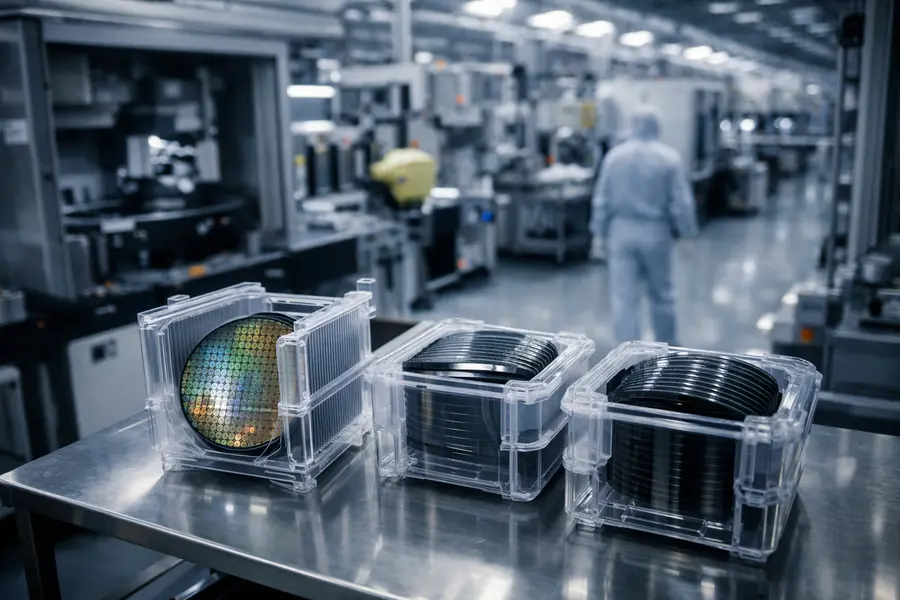
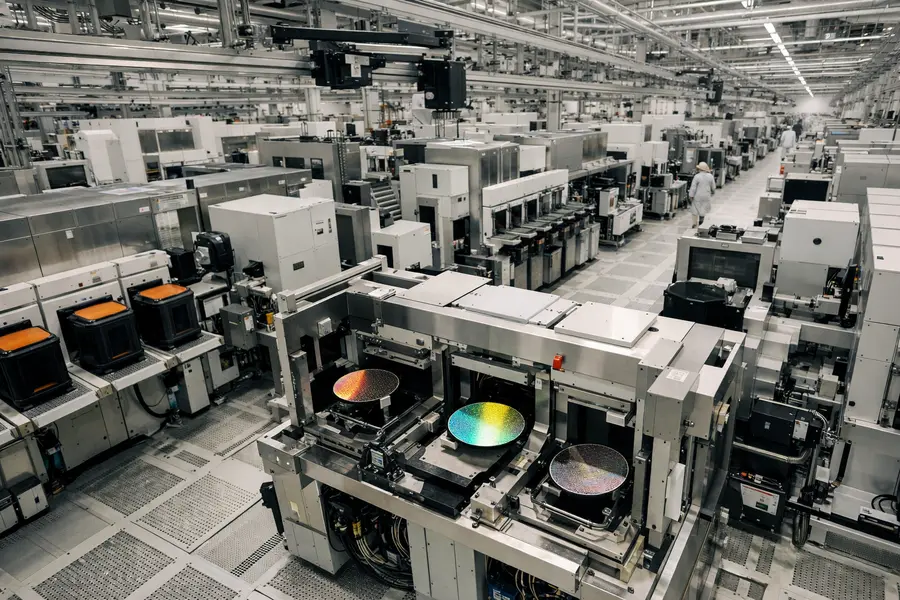
The semiconductor sector served as the primary fault line in Tuesday's session, extending a selloff that began the prior day. Seagate Technology shares plunged nearly 7% after CEO Dave Mosley, speaking at a JPMorgan industry conference, stated that building new chip factories "takes too long" — fueling concern that the company would fail to keep pace with rapidly accelerating AI-driven demand. Peer Micron Technology fell close to 6% in sympathy, dragging the entire memory and storage universe lower. Shares of Nvidia fell 1.33%, while Tesla slid 2.90% and Meta dropped 0.49%. Oracle was among the steepest single-stock declines with a 3.29% drop. The pullback represents a meaningful AI infrastructure correction following a near-parabolic rally powered by bumper earnings and ambitious forward guidance earlier in May, during which the S&P 500 hit an all-time high of 7,517.12.
Bond Market Rout Deepens
Treasury yields resumed their climb, with the 10-year U.S. Treasury note reaching 4.65% intraday, on track for a third straight session of gains and setting a 12-month high — a level not seen since February 2025. Monday's close at 4.601% had already sent a clear signal: the global bond selloff was far from over. Japan's 30-year yield simultaneously hit an all-time record, underscoring that the pressure on sovereign debt was not isolated to the United States. The combination of elevated energy prices — driven by the ongoing U.S.-Iran war — and sticky inflation data, with the April CPI print at 3.8% year-over-year, left markets increasingly uncertain about the Federal Reserve's next move. The Fed funds rate remains at 3.75%, and markets have begun to price out previously anticipated rate cuts, with some participants starting to entertain the possibility of future hikes.Oil Retreats but Inflation Threat Lingers
Brent crude oil stood near $110 per barrel on Tuesday, having surged more than 20% over the prior month as the ongoing military conflict in Iran disrupted supply expectations. Prices pared some gains after President Trump announced he had called off a planned strike on Iran at the request of Gulf Arab leaders, offering a brief diplomatic reprieve. Even so, crude oil remained near $103.40 (WTI) on the day, with gasoline prices at $3.69 per gallon, keeping inflationary pressure firmly in focus. The elevated energy complex continued to underpin headline CPI forecasts for May, complicating the Federal Reserve's already delicate policy calculus.European and Global Divergence
While U.S. equity markets broadly declined, European bourses painted a starkly different picture. Germany's DAX advanced 1.05% to 24,562, France's CAC 40 gained 0.87%, and Spain's IBEX 35 rose 0.72%. UK stocks also climbed as weaker-than-expected jobs data cooled concerns about further Bank of England rate hikes. In Asia, South Korea's markets fell an additional 3.35% overnight, led by semiconductor names tracking the Seagate-Micron contagion. The USDKRW jumped 1.09% to 1,505, reflecting capital outflows from the Korean market. The U.S. Dollar Index (DXY) steadied near 99.21 as the dollar held ground following a sharp prior-session decline.
Earnings Season Focus: Nvidia Looms
With the session's earnings calendar including results from Home Depot, which reported above-consensus earnings per share of $3.43, attention on Wall Street is turning decisively toward Nvidia's highly anticipated Wednesday report. Options markets are pricing approximately an 8% implied move in either direction for Nvidia's earnings release — a reflection of how pivotal the company's guidance has become for sentiment across the entire AI supply chain. The VIX, despite Monday's turbulence, eased to 17.93, a paradox reflecting that implied volatility remained suppressed even as macro headwinds intensified. The CBOE SKEW index, measuring tail-risk pricing, dropped to 138.40 but remains structurally elevated, signaling that options traders still anticipate meaningful downside potential.
Market Outlook: Three Forces in Play
Three interlocking forces now define the near-term market outlook heading into the second half of May 2026. First, the bond market trajectory: whether 10-year yields stabilize below 4.70% or break higher toward levels unseen since 2007 will largely determine how much further pressure growth equities absorb. Second, the Iran situation: any diplomatic escalation or military re-engagement could send Brent crude through the $115 threshold and reignite an acute inflationary shock scenario. Third, Nvidia's earnings: a strong result with robust AI data center guidance could arrest the tech selloff and revive risk appetite, while any disappointment in forward revenue projections would likely extend the current correction in semiconductor and AI infrastructure stocks. The S&P 500 remains up 24.25% year-over-year, and the index's one-month gain of 3.82% demonstrates the underlying resilience of the bull market — but that resilience is being tested by a macro backdrop that has grown materially more complex since the record highs set earlier this month.
Mentioned tickers: SPX, DJI, IXIC, RUT, NVDA, TSLA, META, MU, STX, AAPL, MSFT, AMZN, GOOGL, AVGO, ORCL, HD, V, JPM, XOM, CAT, WMT