Pomegra
The stock market fear index retreated sharply on July 21, 2026, as mediators presented a 10-day ceasefire framework to the United States and Iran, reviving hopes for Middle East de-escalation and easing market volatility across global equities.
- The VIX index today declined roughly 5%, falling from 18.65 to near 17.72, its lowest reading in over a week.
- Qatar, Egypt, and Pakistan conveyed a 10-day ceasefire proposal to Washington and Tehran, offering a window for renewed diplomacy over the Strait of Hormuz.
- U.S. equity futures advanced, with Nasdaq 100 futures up 1.3% and S&P 500 futures rising 0.4%, as Brent crude slipped toward $88.72 per barrel.
Lead
The CBOE Volatility Index, Wall Street's primary stock market fear index, dropped approximately 5% on Tuesday to around 17.72, as international mediators formally presented a 10-day ceasefire proposal to the United States and Iran. The proposal, conveyed by Qatar, Egypt, and Pakistan, envisions a halt to hostilities, safe passage through the Strait of Hormuz, and a framework for salvaging an interim peace accord that collapsed in early July. The development triggered a broad improvement in risk sentiment, lifting U.S. equity futures and softening oil prices in early trading.
What Happened
International mediators delivered a 10-day ceasefire framework to both Washington and Tehran on July 20–21, with Pakistan re-entering peace negotiations alongside Qatar and Egypt. The proposal calls for an immediate halt to military exchanges, the unimpeded resumption of commercial shipping through the Strait of Hormuz, and a structured diplomatic window to renegotiate the memorandum of understanding that briefly stabilized the region earlier in 2026.
The Trump administration confirmed it is reviewing the proposal and has simultaneously urged Israel to avoid steps that could close the diplomatic window. No formal acceptance has been issued by either side, though markets moved swiftly on the announcement alone.
Market volatility had been elevated since early July, when President Trump declared the three-month ceasefire — first struck in April — definitively over, after the U.S. accused Iran of resumed attacks on commercial shipping. The VIX, which measures implied volatility in S&P 500 options over a 30-day horizon, had climbed back above 18 in the intervening weeks, reflecting persistent investor anxiety about energy-supply disruptions and their ripple effects across inflation and monetary policy.Market Reaction
The ceasefire proposal catalyzed a swift repricing across asset classes. Nasdaq 100 futures gained 1.3% in pre-market trading, while S&P 500 futures rose 0.4% and Dow Jones Industrial Average futures added 149 points, or 0.3%. Semiconductor and technology names led the advance, with chipmakers particularly sensitive to any easing in the geopolitical premium embedded in energy costs and logistics.
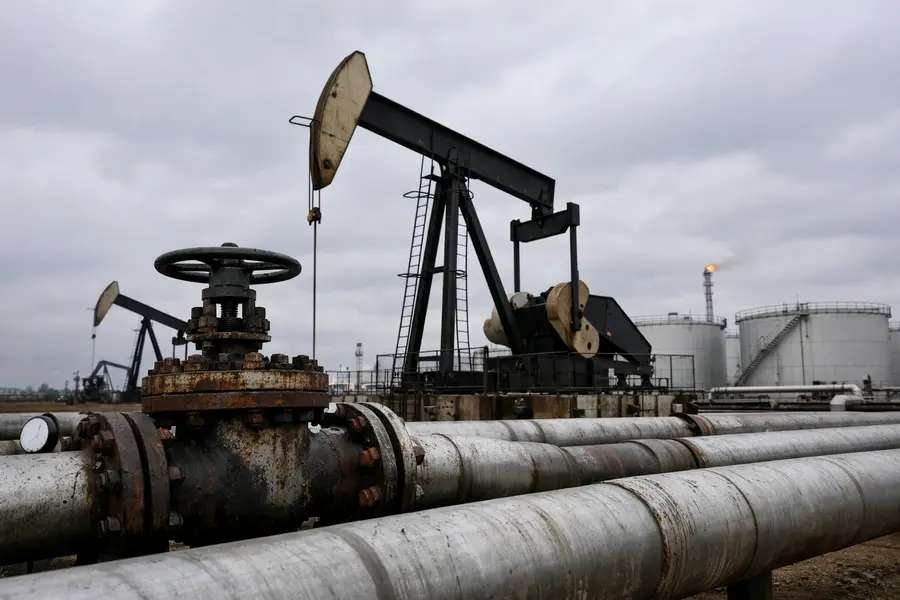
Brent crude futures for September delivery fell 0.56% to $88.72 per barrel, and WTI crude for August delivery declined 0.3% to $82.98 per barrel. Both benchmarks remain well above their pre-conflict levels but have retreated from the highs seen after the July 8 ceasefire collapse, when Brent briefly threatened $90 and WTI touched $84.The VIX's move lower echoes a pattern observed three times in 2026: each credible de-escalation signal has triggered an immediate, sharp contraction in the stock market fear index. When the original April ceasefire was announced, the VIX shed more than 5.8 points in a single session, dropping to 20.13 from levels near 26 — its lowest reading since before U.S. military operations against Iran began in late February.
Geopolitical Dimension
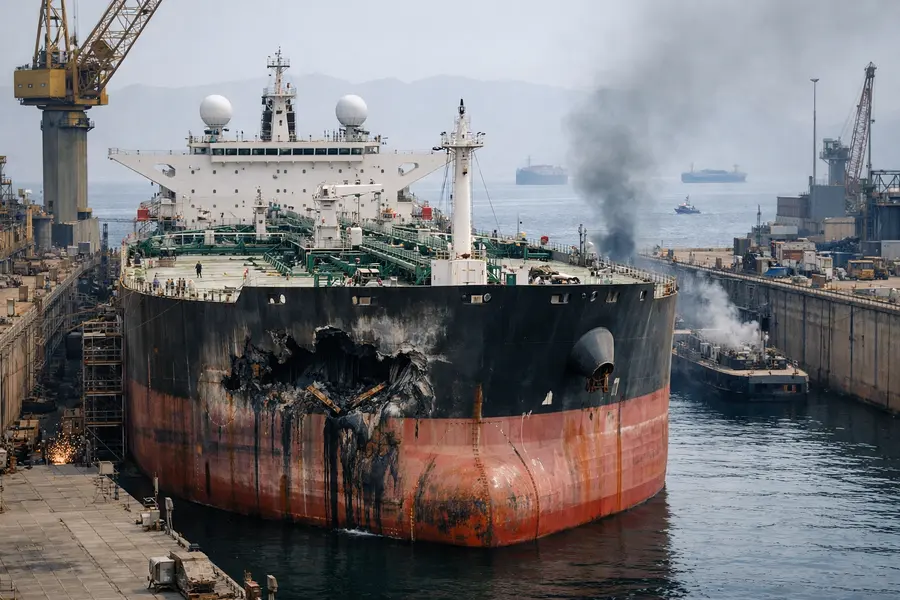
The 2026 Iran conflict has been the dominant geopolitical variable in global financial markets since hostilities escalated in late February, when Iranian forces declared the Strait of Hormuz closed to commercial transit. Roughly 20% of global seaborne oil and 17% of liquefied natural gas passes through the strait, making any prolonged disruption a direct transmission channel for energy-price inflation into consumer prices and central bank policy.
The April ceasefire reopened the shipping lane and produced a powerful relief rally — the S&P 500 surged 2.5%, the Dow rose nearly 1,300 points, and Brent fell close to 16% in a single session. That optimism unraveled progressively through May and June, culminating in the July 8 breakdown, which sent equities lower and pushed crude prices back toward multi-month highs.
The 10-day window in the new proposal is explicitly designed to create enough time to reconstruct the diplomatic scaffolding before any renewed military exchange becomes irreversible. Pakistan's re-engagement is notable: Islamabad has previously played a back-channel role, and its return to active mediation signals that a broader coalition of stakeholders has concluded that renewed escalation carries unacceptable regional economic costs.
Houthi forces in Yemen remain a complicating variable. Reports on Tuesday indicated the group renewed threats of a naval blockade on Saudi Arabia-bound shipping, a development that oil traders are monitoring closely even as the primary Iran channel showed signs of easing.Earnings Season as a Parallel Driver
While Middle East de-escalation dominated the macro narrative, U.S. corporate earnings added a constructive backdrop. Of roughly 54 S&P 500 companies that had reported results ahead of Tuesday's open, 87% exceeded bottom-line expectations. 3M shares jumped more than 5% on a second-quarter earnings beat, and General Motors also topped estimates. Alphabet, IBM, and Tesla are among the high-profile names scheduled to report later in the week, providing additional event risk that could extend or compress the week's volatility trajectory independent of geopolitical headlines.
Outlook
The 5% decline in the VIX index today reflects a meaningful reduction in near-term hedging demand, but the move remains conditional on tangible ceasefire progress rather than a durable shift in the geopolitical backdrop. Market volatility has oscillated sharply at each successive diplomatic inflection point throughout 2026, and the pattern suggests that any failure of the 10-day proposal to yield a formal agreement would rapidly reverse the session's gains.
For the ceasefire to achieve lasting Middle East de-escalation, a formal agreement — not merely a proposal under review — will need to be signed, the Strait of Hormuz maintained open to transit, and Houthi threats contained. Until those conditions are met, the VIX is likely to remain sensitive to headline risk, with the current 17–19 range acting as a floor rather than a ceiling in any renewed escalation scenario.