Pomegra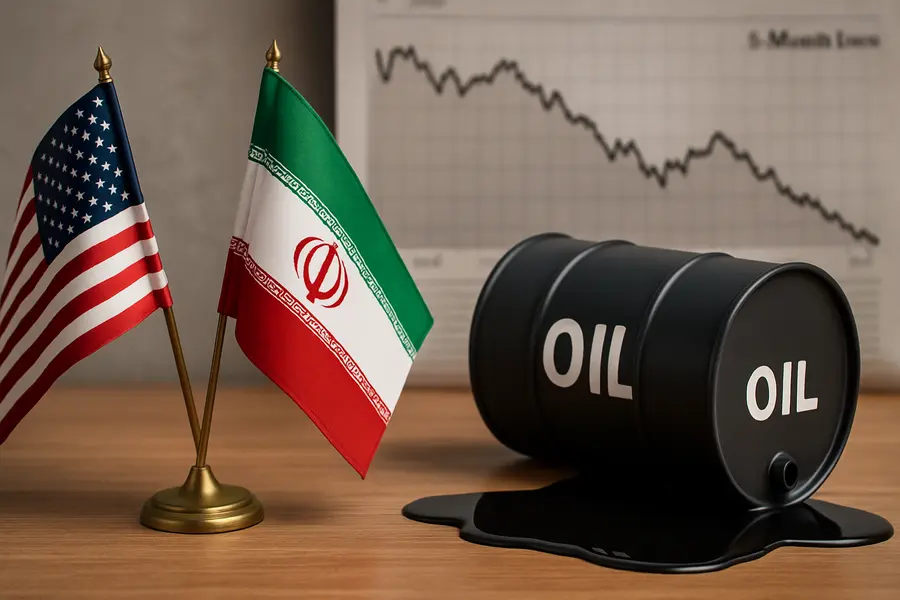
The U.S. and Iran agreed June 14 on an interim peace framework, driving Brent crude down 4.7% to its lowest level since March as the Strait of Hormuz nears reopening.
- Brent crude fell to $83.25 per barrel on June 14 — down roughly 22% from May's wartime peak of $109.21.
- The framework commits Iran to reopening the Strait of Hormuz within 30 days in exchange for lifted U.S. oil sanctions.
- An estimated 10–11 million barrels per day remain offline, with full market normalization expected to take 3–6 months.
Lead
The United States and Iran agreed on June 14, 2026, to an interim peace framework ending months of armed conflict and committing both nations to the phased reopening of the Strait of Hormuz — a chokepoint through which approximately one-fifth of global petroleum supplies once flowed. Brent crude tumbled $4.08, or 4.7%, to $83.25 per barrel, its lowest settlement since March 10, while WTI crude dropped $4.35, or 5.1%, to $80.53. Global equity markets rallied on the news, with Japan's Nikkei 225 surging more than 3% to an all-time high.
What Happened
A 14-page draft memorandum, mediated by Gulf state intermediaries following weeks of intensive back-channel negotiation, forms the operational backbone of the arrangement. Under its terms, the U.S. will lift oil sanctions on Iran, and Tehran will reopen the Strait of Hormuz within 30 days. Iran reaffirmed its commitment under the Nuclear Non-Proliferation Treaty to abstain from producing nuclear weapons while accepting renewed international inspections of its nuclear facilities and restrictions on uranium enrichment below weapons-grade thresholds.
Formal signing is scheduled for June 19 in Geneva, Switzerland, after which a 60-day negotiating window on the final terms of Iran's nuclear program will begin. President Trump, announcing the framework in Washington, described negotiations as proceeding in an "orderly and constructive manner," while Iranian officials confirmed the agreement the same day.
Market Reaction
The immediate market response reflected the aggressive unwinding of a multi-month geopolitical risk premium. Brent crude had peaked at approximately $109.21 per barrel in May 2026, driven by severe supply disruptions from the Strait closure. Sunday's 4.7% drop — extending a 3%-plus decline recorded Friday — brought the contract to its cheapest level since mid-March, a monthly decline of approximately 22.5%.
WTI mirrored the move, closing below $81 per barrel for the first time since the conflict escalated. The oil price today on June 15 opened at $84.62 per barrel for Brent — 67 cents below the prior session — as markets weighed execution risk ahead of the Geneva ceremony. Both contracts are on track for their steepest monthly declines in years.Beyond crude, the geopolitical risk premium embedded in freight rates for tankers transiting alternative routes around the Cape of Good Hope began compressing immediately following the announcement, reflecting expectations that traffic through the Persian Gulf will resume in coming weeks.
Global Oil Supply Context
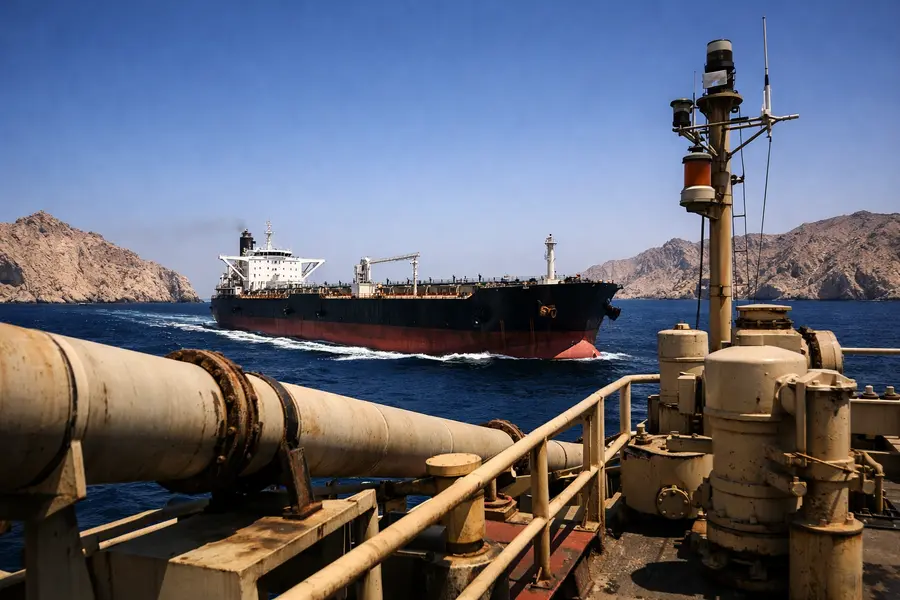
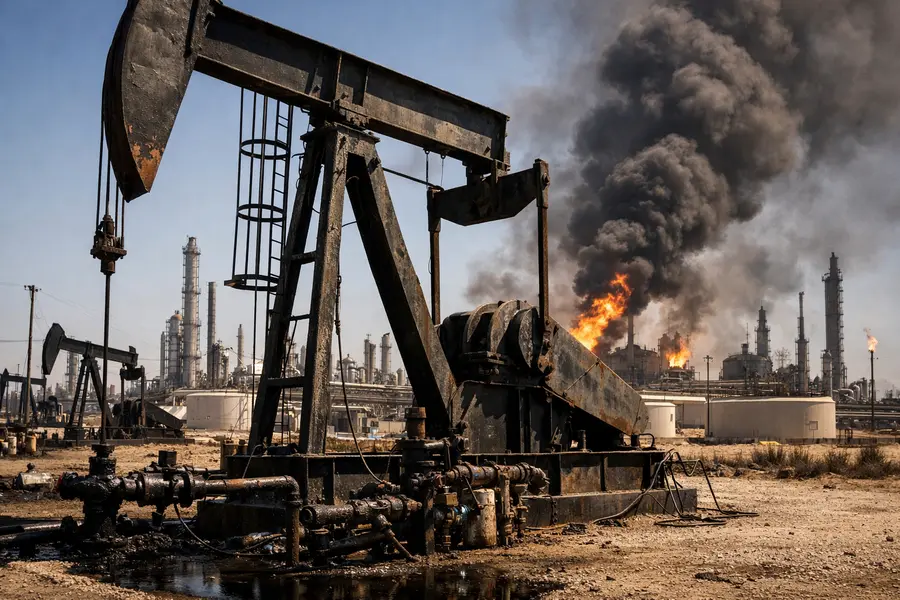
The global oil supply disruption began in late February 2026, when Iran imposed a blockade on the Strait of Hormuz. The United States responded in mid-April with a counter-blockade on Iranian ports. The combined interruption removed an estimated 10–11 million barrels per day from world markets and left approximately 100 million barrels stranded aboard tankers awaiting passage clearance.
The Strait handles roughly 20% of global petroleum consumption daily — the single most critical oil trade chokepoint on earth. The closure drove Brent crude roughly one-third above pre-conflict levels at its peak, compressing margins for refiners and fuel importers across Asia, Europe, and beyond.
Analysts note that full operational normalization of the strait is unlikely to be immediate. Vessel traffic management, war-risk insurance frameworks, and the mechanics of sanctions unwinding each carry independent implementation timelines, placing restoration of normal flows on a three-to-six-month horizon. In the near term, the 100 million barrels of stranded tanker cargo represent the most immediate source of supply relief and are expected to resume flow as both blockades are lifted simultaneously under the terms of the framework.
Geopolitical Dimension
The US-Iran peace deal represents the most significant diplomatic breakthrough between Washington and Tehran in decades, ending a conflict that killed thousands and disrupted energy supply chains across three continents. Gulf state intermediaries played a central coordinating role, leveraging their dual interest in regional stability and restored oil revenue streams.
European governments welcomed the framework and signaled readiness to extend their own sanctions relief, aligning with the deal's phased economic normalization objectives. The 60-day nuclear negotiating window creates a structured but time-limited pathway to a permanent resolution on Iran's nuclear posture — a sequencing that prioritizes economic stabilization over complete nonproliferation certainty, a trade-off several key regional powers have publicly endorsed.
What Comes Next
Oil price forecasters have revised their 2026 outlook sharply downward. Consensus projections that had Brent crude averaging $90–$95 per barrel through year-end now cluster in the $78–$85 range through Q4 2026, contingent on the framework holding through the June 19 signing and Iran delivering on its 30-day Hormuz commitment.
The OPEC+ alliance, which had deferred production-level decisions pending geopolitical clarity, now faces renewed pressure to manage an anticipated oversupply dynamic as Iranian export volumes and stranded tanker cargo re-enter the market simultaneously. The group's next ministerial meeting will be watched closely for signals on whether members elect to absorb the returning barrels or accelerate output themselves.
Outlook
The US-Iran peace deal has fundamentally repriced the geopolitical risk premium embedded in global oil supply since late February. The near-term trajectory for crude depends on the speed and completeness of the Strait's reopening, Iran's adherence to nuclear commitments, and OPEC+'s production response. With the formal signing set for June 19 in Geneva and a 60-day nuclear negotiating clock beginning immediately thereafter, markets will remain sensitive to any signs of implementation friction. The oil price today sits at its lowest level since March — but the path back to pre-conflict norms will be measured in months, not days.
Mentioned tickers: USO, BNO, XOM, CVX, OXY, MRO, HAL, PSXMarkets