Pomegra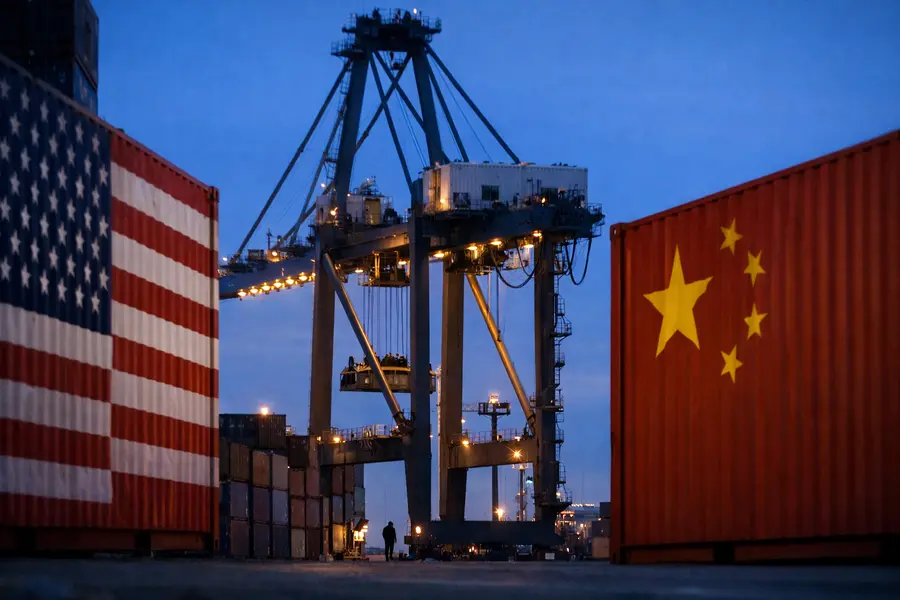
Xi Jinping's White House visit September 23-25 forces rapid supply-chain repositioning as markets price a managed competition framework and a September FOMC rate decision.
- Blended U.S. tariff on Chinese imports holds at approximately 33%; no comprehensive reduction is expected from the summit.
- China's June 1 rare-earth export restrictions have triggered procurement delays across Western defense and semiconductor manufacturers.
- Interest rate futures price a 67.2% probability of a 25-basis-point Fed hike on September 16 - nine days before Xi arrives.
Lead
WASHINGTON - President Xi Jinping of China arrives at the White House on September 23 for a three-day summit with President Donald Trump, the most consequential bilateral meeting of 2026, forcing institutional investors to reprice risk across the semiconductor, defense, and rare-earth sectors before a September 15-16 Federal Reserve decision that carries its own market-moving weight. The visit follows a Beijing summit in May - where Trump called Xi "a great leader" and both sides agreed to pause further tariff escalation - but market consensus is firmly set against any broad tariff relief emerging from Washington. The blended effective U.S. tariff on Chinese imports holds at approximately 33%, stacked across Section 301, IEEPA fentanyl, and reciprocal duty layers.
What Does the Managed Competition Framework Mean for Markets?
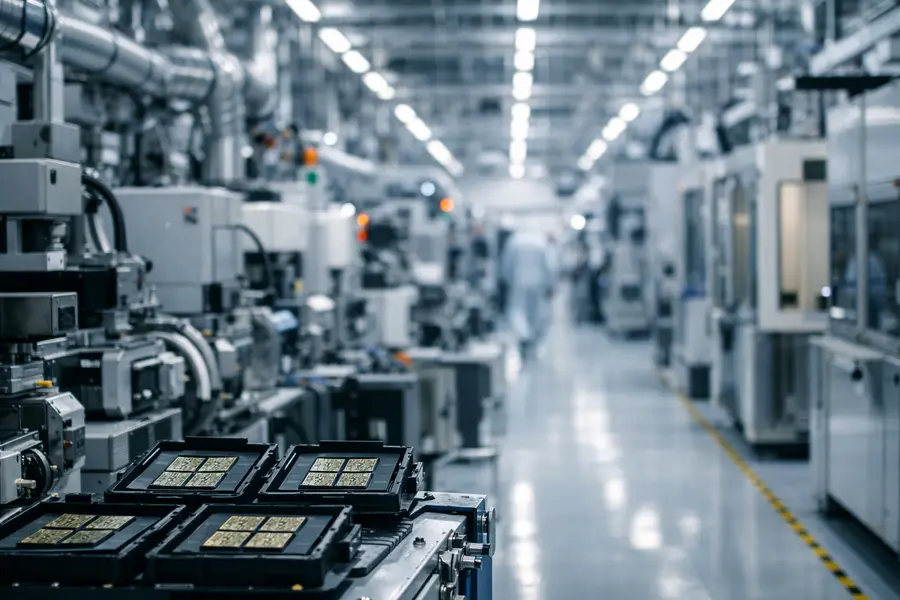
The dominant outcome scenario is a managed competition framework - a mutual acknowledgment that strategic rivalry continues while direct conflict, particularly over Taiwan, is actively de-escalated. Investors are pricing this scenario as mildly positive for semiconductor names with heavy Taiwan exposure. Taiwan Semiconductor Manufacturing (TSM) was trading at $428.91 as of September 5, carrying a discount analysts attribute directly to geopolitical risk, even as the company raised its 2026 revenue growth outlook to slightly above 40% and lifted capital expenditure guidance to $18.75 billion-$20 billion on AI-driven chip demand. A credible managed competition signal from the September 24 meeting could narrow that discount.
The VanEck Semiconductor ETF (SMH), which holds a 21% position in Nvidia (NVDA) and a 9.28% weighting in TSM alongside Broadcom (AVGO), and the Direxion Daily Semiconductor Bull 3x ETF (SOXL) - a leveraged vehicle amplifying chip-sector moves by a factor of three - are both positioned for outsized swings around summit headlines. SOXL in particular concentrates downside and upside exposure to any Taiwan de-escalation signal or unexpected breakdown in talks.
Why Are Rare Earths the Summit's Most Urgent Pressure Point?
China tightened rare-earth export restrictions on June 1, 2026, introducing extended procurement delays across Western defense contractors and semiconductor materials suppliers at precisely the moment AI infrastructure buildout had amplified global chip-grade mineral demand. The restrictions cover processing equipment and manufacturing technology exports. A White House factsheet from the May Beijing summit stated that "China will address U.S. concerns regarding supply chain shortages," but implementation was deferred by one year, leaving restrictions fully in force as Xi boards his plane for Washington.
The U.S. and Japan accelerated diversification through a deep-sea mining memorandum signed in March 2026 and a critical minerals action plan finalized in February. Those efforts address structural vulnerability over a multi-year horizon. No alternative supply chain for heavy rare earths reaches Chinese scale within 24 months, giving Beijing persistent leverage across semiconductor and defense procurement cycles regardless of summit outcomes.
FOMC Decision: The Week-Prior Complication
The September 15-16 Fed meeting precedes Xi's arrival by nine days, injecting a second macro variable that investors must sequence carefully. The Federal Reserve held its benchmark rate at 3.5%-3.75% at the July meeting, but three policymakers dissented in favor of a hike - a signal of sharpening internal division. Interest rate futures now price a 67.2% probability of a 25-basis-point move, reflecting persistent inflation linked to supply chain disruptions and a Middle East conflict now approaching its seventh month, well beyond the six-week resolution Trump projected when operations began.
A rate increase into summit week creates a compounding dollar headwind for emerging-market assets and amplifies volatility for semiconductor names simultaneously sensitive to Fed and geopolitical headlines. The SPDR S&P 500 ETF (SPY) and QQQ options market positioning ahead of the two-week window reflects that dual sensitivity.
Strategic Context: Iran, AI, and the Trade Arithmetic
Beyond tariffs and rare earths, the September summit agenda spans Taiwan, the Iran conflict, artificial intelligence governance, and investment flows. The Iran dimension gives Beijing unusual diplomatic leverage: China has not joined Western sanctions and retains deep economic ties with Tehran. Any Chinese pressure on Iran in exchange for U.S. concessions on AI chip export licensing or semiconductor equipment approvals could reshape sector dynamics rapidly - a scenario defense and technology investors are modeling but cannot price until after the communique.
On trade arithmetic, the approximately $30 billion in goods flagged for potential tariff reductions under the Board of Trade concept introduced by U.S. Trade Representative Jamieson Greer in March remains under negotiation. The 10% reciprocal tariff layer, maintained under the current 90-day truce extension, defines the baseline entering the meeting. Neither side has signaled a readiness to move that figure materially downward before September 24.
Outlook
The September 23-25 summit compresses two major macro events - an FOMC decision and a superpower bilateral - into ten days, creating the most complex risk sequencing of 2026 for institutional portfolios. The base case - a managed competition communique stabilizing Taiwan rhetoric without moving tariff rates - is mildly positive for chip supply chains and leveraged semiconductor vehicles but offers no durable resolution on rare-earth procurement timelines. Whether the Fed delivers a rate hike on September 16 sets the dollar and rate-sensitive tech tone before Xi lands. The summit's real test arrives in its aftermath: whether Beijing's rare-earth posture shifts, whether AI chip licensing advances, and whether the managed competition equilibrium that both capitals now accept as the operating framework holds into year-end.