Pomegra
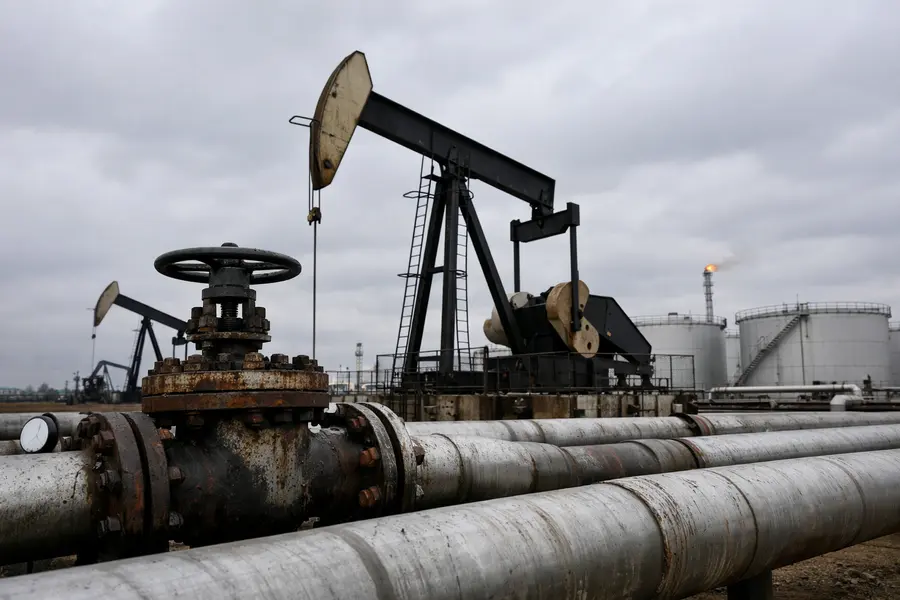
Trump's waiver of Russia oil sanctions drew rebukes from Zelenskyy and Senator Ted Cruz and cut the crude oil price, with Brent near $108 a barrel on Monday.
- Trump waived Graham Act sanctions and tariffs on Russia two days before they took effect on October 18.
- Brent fell about 1.3% to $108.43 on Monday after nearly touching $110 on Friday, its highest since May.
- Zelenskyy and Republican Senators Cruz, Tillis and Cornyn criticized the move.
Lead
President Donald Trump has waived a package of sanctions and tariffs on Russia that were due to take effect on October 18. The decision lowered the crude oil price in early Asian trading on Monday, October 19, when Brent futures fell $1.43, or 1.3%, to $108.43 a barrel. West Texas Intermediate slipped 0.5% to $100.88. Ukrainian President Volodymyr Zelenskyy condemned the decision. Several Republican senators, including Ted Cruz, also criticized it, which shows how far the move has strained Trump's support in his own party.
What Did Trump Waive?
Trump signed an executive order on Friday suspending measures required under the Graham Act, a sanctions law that passed the Senate 86-11 and that he signed in September. The law authorized tariffs of up to 100% on the largest buyers of Russian crude oil and natural gas. It also provided for sanctions on foreign banks dealing with Russian state-owned lenders and on vessels carrying Russian petroleum products.
The White House said the waiver serves the national interest and supports efforts to reach a durable peace agreement between Ukraine and Russia. Trump called it "a very good decision" for the country and the world. It is the second time in about two weeks that he has eased pressure on Moscow. Earlier this month he announced a deal under which Russia would release 300,000 tonnes of diesel immediately, 500,000 tonnes in November and 1 million tonnes afterward. The Treasury Department then issued a general license allowing diesel deliveries. On October 15 it also extended a waiver that lets Lukoil (MOEX: LKOH) service stations outside Russia keep operating until April 24, 2027.
Why Did Oil Prices Fall?
Oil fell because the waiver raises the prospect of more Russian fuel reaching global markets. The tariffs and ship sanctions would have discouraged buyers such as India from taking Russian barrels, and removing them eases a constraint on supply. Traders also priced in the diesel agreement, which adds product to a market short of distillates.
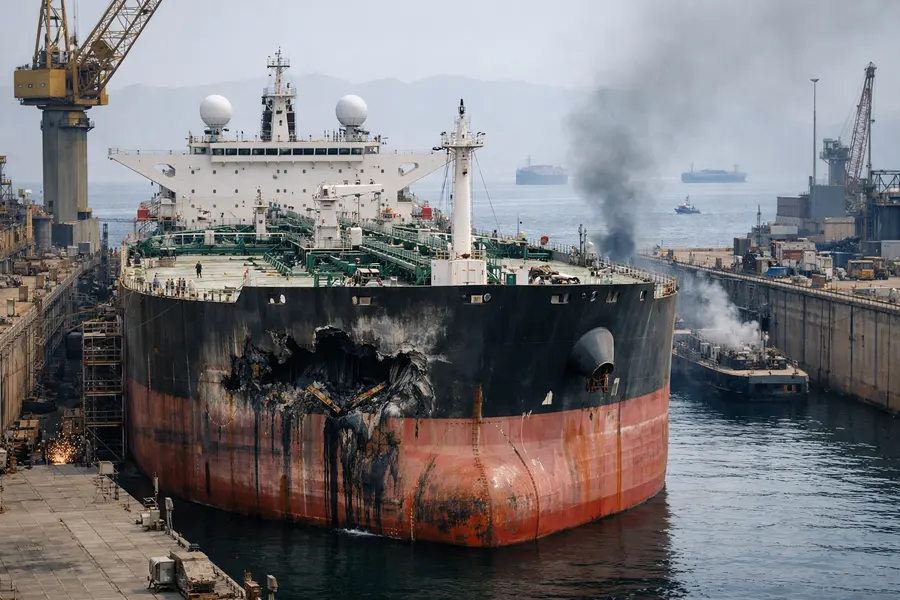
The decline was small against a large run-up. Brent had climbed on Friday to its highest settlement since May 19, supported by the Iran war and attacks on commercial shipping. Ukrainian drone strikes on Russian refineries had also tightened supply. U.S. diesel prices have risen nearly 70%, a political problem for the administration ahead of the November midterm elections. The waiver is widely read as an attempt to bring down fuel prices before voters go to the polls.
Who Is Criticizing the Waiver?
Criticism has come from Kyiv, from within Trump's party and from Democrats. Zelenskyy said the decision to undo the measures "seems wrong" and "definitely helps only the Russians." He described it as an "American sanctions blackout" that rewards Vladimir Putin and weakens years of international support for Ukraine.
Cruz said he wished the president had not done it and called it "a mistake," adding that there were other ways to address fuel prices. Senator Thom Tillis called the move "beyond irresponsible" and asked what part of enforcing a law passed 86-11 the administration did not understand. Senator John Cornyn said the law's namesake would be appalled. Former U.N. Ambassador Nikki Haley called it a misjudgment of Putin. Democrats joined in. Senator Chuck Schumer said Trump had handed Putin a birthday gift, and Senator Richard Blumenthal said the waivers had nothing to do with national security.
Geopolitical Dimension
The waiver shows how closely energy prices now constrain U.S. policy toward Russia. Sanctions designed to cut Moscow's oil revenue conflict with a domestic need for cheaper diesel and gasoline. For India, one of the largest buyers of Russian crude, the waiver removes the risk of a tariff dispute with Washington and keeps its energy imports stable. For Ukraine, it removes a source of leverage in any negotiation and eases pressure on Russia's export revenue while the war continues.
The Senate vote on the Graham Act gives Congress grounds to contest the waiver. Lawmakers who backed the law can hold hearings, attach conditions to other legislation or press for new measures. A veto-proof majority remains a distant prospect, but the criticism from senators in Trump's own party raises the political cost of extending the waiver.
What Comes Next for the Crude Oil Price?
The crude oil price will depend on how quickly Russian diesel and other products reach buyers. The scheduled volumes, 500,000 tonnes in November and 1 million tonnes afterward, would ease distillate tightness, but they will not offset disruptions from the Iran war or attacks on shipping. Brent above $100 shows that supply risks still outweigh the waiver's effect.
The main risks to prices run in both directions. Congressional action to reinstate the sanctions, or Russian export problems caused by Ukrainian strikes on refineries, would push prices higher. Fresh progress toward a Ukraine settlement, along with a calmer Middle East, would extend the decline. Russian equities and the ruble, including the benchmark MOEX Russia index, are the other markets to watch for how investors judge the easing.
Outlook
Trump's waiver delays sanctions that would have taken effect on October 18 and trades pressure on Moscow for lower fuel costs before the midterms. Brent has slipped to about $108, but prices remain near their highest since May. Opposition from Zelenskyy, Cruz, Tillis and Cornyn indicates that the waiver faces resistance in Congress, and the next test will be whether Russian diesel flows start on schedule in November.
Mentioned tickers: LKOH