Pomegra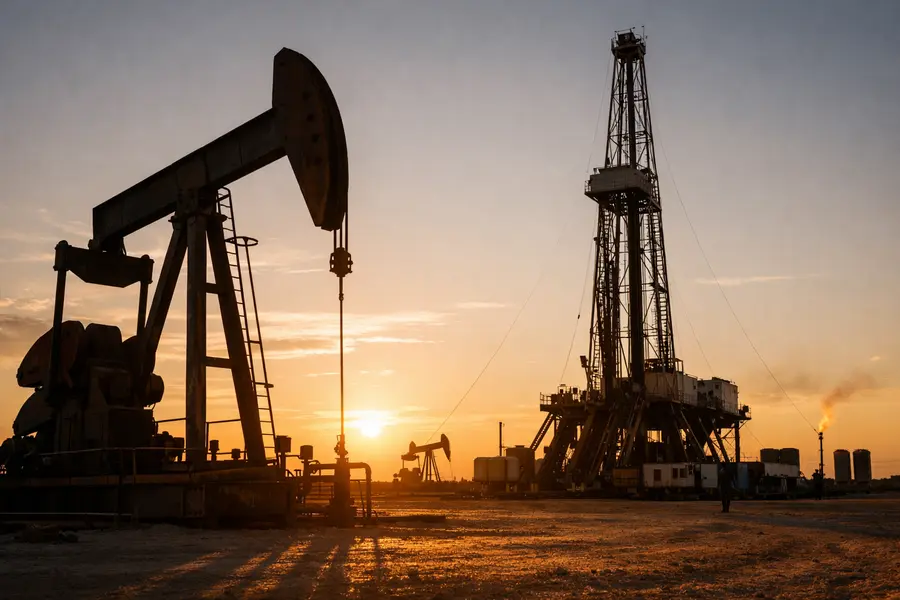
OPEC+ finalizes 188,000 bbl/day September hike to close its 3.5M-bbl/day 2023 cut cycle, signals Q4 freeze as Iranian tanker losses sharpen a direct supply-demand standoff.
- The seven-nation group added 188,000 barrels per day in September, completing the full unwinding of 3.5M bbl/day in voluntary 2023 cuts.
- A Q4 production pause is now the base case, with the alliance pivoting to 2027 quota baseline negotiations.
- Systematic Iranian tanker interdiction is removing shadow-fleet export capacity on a structural, non-reversible timeline, tightening effective supply independent of OPEC+ decisions.
Lead
OPEC+ formally completed in September the phased restoration of output it had suppressed since 2023, adding a final 188,000 barrels per day to close out 3.5 million barrels per day in voluntary cuts - the most extensive coordinated reduction cycle in the cartel's modern history. The seven-nation core of the alliance, comprising Saudi Arabia, the UAE, Iraq, Kuwait, Kazakhstan, Algeria, and Oman, ratified the increase and simultaneously flagged that a Q4 production pause is the working base case as the group turns its attention to 2027 quota negotiations. The completion of the rollback arrives against a rapidly tightening supply backdrop: targeted destruction of Iranian tanker capacity is shrinking the shadow-fleet infrastructure Tehran relies upon to export crude around Western sanctions, creating an asymmetric supply loss that OPEC+ did not engineer but stands to benefit from.
What Does the September Increase Mean for Crude Oil Prices?
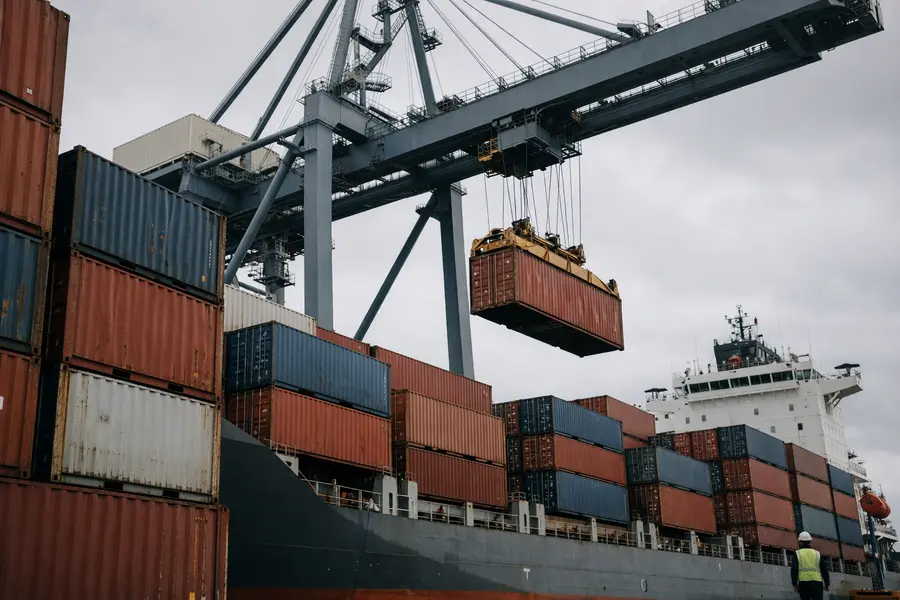
The crude oil price response to the September hike was narrower than the headline 188,000-barrel figure implied, because physical markets had absorbed the restoration timetable across prior months and because Iranian export volumes have contracted materially. Brent crude held within a compressed range as traders netted the incremental OPEC+ addition against reduced Iranian flows. Shipping intelligence tracking vessel activity across Indo-Pacific corridors and the Strait of Hormuz shows a sustained decline in tanker capacity dedicated to sanctioned Iranian exports - losses that cannot be replenished on a quarterly schedule and that effectively offset a substantial portion of the paper production restoration. Inventories at the Cushing, Oklahoma hub and across the Amsterdam-Rotterdam-Antwerp refining complex remain below five-year seasonal averages, removing the cushion that would ordinarily dampen price sensitivity to supply shifts.
Why Is OPEC+ Pausing in Q4?
A Q4 freeze serves the alliance's quota negotiation strategy at least as much as it reflects market caution. Formal 2027 quota discussions require credible baseline production figures for each member state - a process complicated by the documented tendency of Iraq and Kazakhstan to exceed agreed ceilings. Holding output flat through Q4 gives the group time to audit actual versus declared production before formal talks open, without publicly framing the pause as a compliance enforcement exercise. Softening industrial output data from China and Europe provides external cover, giving Saudi Arabia a demand-side rationale for restraint that sidesteps the more sensitive internal burden-sharing dispute. The Q4 pause preserves optionality in both directions: the alliance can accelerate into 2027 if demand firms or hold indefinitely if the Iranian tanker situation continues to tighten balances on its behalf.
Iranian Tanker Losses and the Supply-Demand Standoff
The structural removal of Iranian export infrastructure is the sharpest variable in the current supply-demand standoff. Unlike a voluntary production cut, which can be reversed at a ministerial meeting, tanker capacity lost to interdiction operations requires time and capital to replace - and both are constrained for Iranian operators working outside Western financial systems. The effect compounds over months: each vessel removed narrows the pool available to absorb Iranian crude, forcing production back to storage or into price concessions that reduce Tehran's effective realized price irrespective of posted output levels.
OPEC+ members have factored this dynamic into internal price floor calculations. A market in which 3.5 million barrels per day of voluntary cuts have been formally unwound but effective supply remains constrained by tanker attrition is structurally tighter than the headline restoration figure suggests - a convergence that sets up the most consequential supply standoff since the post-2022 invasion disruption reshaped global energy flows.
2027 Quota Negotiations: What Comes Next?
The 2027 quota cycle will be the most contested in recent OPEC+ history. Iraq and Kazakhstan have accumulated compliance deficits across the 2023-2026 cut period, and resolving those deficits before new baselines are set will require either compensatory future cuts or a diplomatic restructuring of the compliance framework. Saudi Arabia's leverage rests on its swing-producer capacity and its willingness to tolerate short-term price weakness to enforce discipline - a tool it has deployed before and is positioned to deploy again if baseline negotiations fracture.
The duration and scope of Iranian supply destruction will shape the margin of flexibility available to the group. A prolonged structural reduction in Iranian exports gives the alliance room to restore some compliance-deficit barrels without pressuring prices, smoothing the path to a negotiated 2027 framework. A rapid restoration of Iranian tanker capacity, by contrast, would reduce that buffer and force harder choices between quota discipline and market share.
Outlook
OPEC+ exits its historic cut cycle with production nominally restored but effective market influence intact, anchored by a Q4 pause that doubles as a negotiating posture ahead of 2027 quota talks. The intersection of a completed rollback, lean global inventories, and structurally reduced Iranian export capacity positions crude markets for elevated volatility through year-end. Whether prices move directionally higher or range-bound depends on Chinese demand recovery, the pace of Iranian tanker attrition, and the degree to which 2027 baseline negotiations proceed without fracturing alliance unity - three variables that are unlikely to resolve cleanly before Q1 2027.
Mentioned tickers: USO, BNO, XLE, CVX, XOM, COP