Pomegra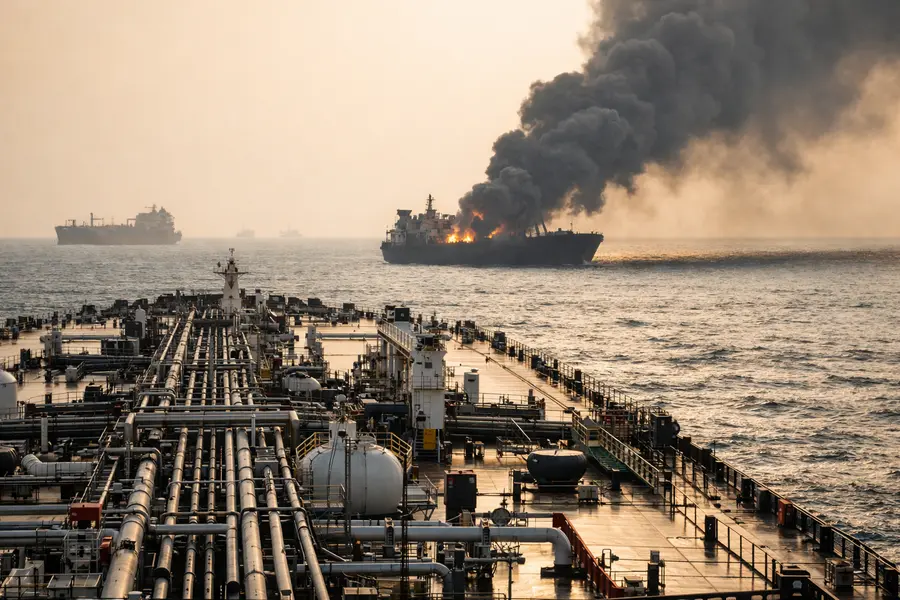
Brent crude neared $93 a barrel Thursday as the US-Iran MoU expired with no deal and Gulf tanker strikes kept the oil risk premium embedded in prices for a fourth straight session.
- Brent crude traded at $91.53 a barrel Thursday, gaining more than 4% on the week, with Hormuz flows at 40% of 2025 daily averages.
- The US-Iran memorandum of understanding lapsed August 17 with no extension; Iranian officials denied any ceasefire ever existed.
- Ship-tracking data recorded zero commodity vessel crossings at Hormuz on Sunday, down from 31 the weekend prior.
Lead
Crude oil extended gains for a fourth consecutive session Thursday after the 60-day window established by the June 17 Islamabad memorandum of understanding closed at midnight on August 17 without agreement, extension, or active ceasefire talks. Brent crude traded at $91.53 a barrel - a gain of more than 4% on the week - while West Texas Intermediate held at $85.47. The four-session winning streak is the longest sustained rally since the Hormuz conflict escalated, driven by tanker strikes in the Gulf, near-zero waterway traffic, and a diplomatic stalemate that has left the world's most critical oil chokepoint operating at less than half capacity.
Why Did Ceasefire Talks Break Down?
Tehran rejected the premise. Iranian Foreign Minister Abbas Araghchi stated the country "never had a ceasefire that would now need to be extended," framing the June agreement as a narrow logistics arrangement rather than a political settlement. The MoU had cleared an estimated 374 million barrels of crude from the Strait of Hormuz corridor over 60 days but produced no permanent vessel-passage protocol. When the deadline lapsed, neither Washington nor Tehran had agreed to renew negotiations, and President Donald Trump ruled out an extension while threatening military action against Oman if it impeded US policy in the waterway. The diplomatic framework governing Gulf shipping dissolved without a successor agreement in place.
How Bad Is the Oil Tanker Gulf Disruption?
The disruption is severe and deepening. Ship-tracking data recorded just five commodity vessels crossing the Strait of Hormuz on Saturday and zero on Sunday, compared with 31 the prior weekend. Hormuz flows now run at approximately 40% of their 2025 daily average, stripping an estimated 8 million to 10 million barrels per day from global supply chains. The waterway normally accounts for roughly 20% of all oil traded internationally.
Market Reaction
Energy markets priced the Hormuz disruption as structural. The United States Oil Fund (USO) and the Energy Select Sector fund (XLE) tracked the commodity move higher, while ExxonMobil (XOM) and Chevron (CVX) - each with meaningful exposure to global crude pricing - posted modest gains alongside the broader energy sector. A Gulf risk premium has been embedded in forward contracts for weeks; Thursday's session extended it rather than initiated it.
OPEC cut its 2026 global oil-demand growth forecast to 580,000 barrels per day, citing softer conditions across major consuming economies, and the International Energy Agency expects full-year demand to contract. Those bearish signals have capped the ceiling on further price appreciation but have not neutralized the near-term supply shock created by Hormuz running at less than half capacity.
Strategic Context
Three of the world's largest crude exporters - Saudi Arabia, the UAE, and Kuwait - rely on Hormuz for the bulk of their export volumes, with limited alternatives. ADNOC has activated contingency routing through the Fujairah pipeline on the UAE's eastern coast, but that infrastructure handles only a fraction of normal throughput. Saudi Arabia's East-West pipeline provides partial relief for Saudi barrels but cannot absorb regional shortfalls. With active ceasefire talks absent and Oman having distanced itself from mediation following White House threats, no third-party diplomatic channel is publicly engaged.
Outlook
Oil prices remain supported for as long as Hormuz traffic stays materially below functional levels and formal ceasefire talks fail to restart. The four-session rally signals the market's view that the current standoff is durable rather than a temporary escalation before resolution. Two developments could erode the risk premium: a verifiable drop in tanker strike frequency, or the reestablishment of a formal negotiating channel between Washington and Tehran. Neither appears imminent. Brent holding above $91 and WTI above $85 into the close of the week indicates traders are pricing extended disruption into forward markets.
Mentioned tickers: USO, XLE, XOM, CVX