Pomegra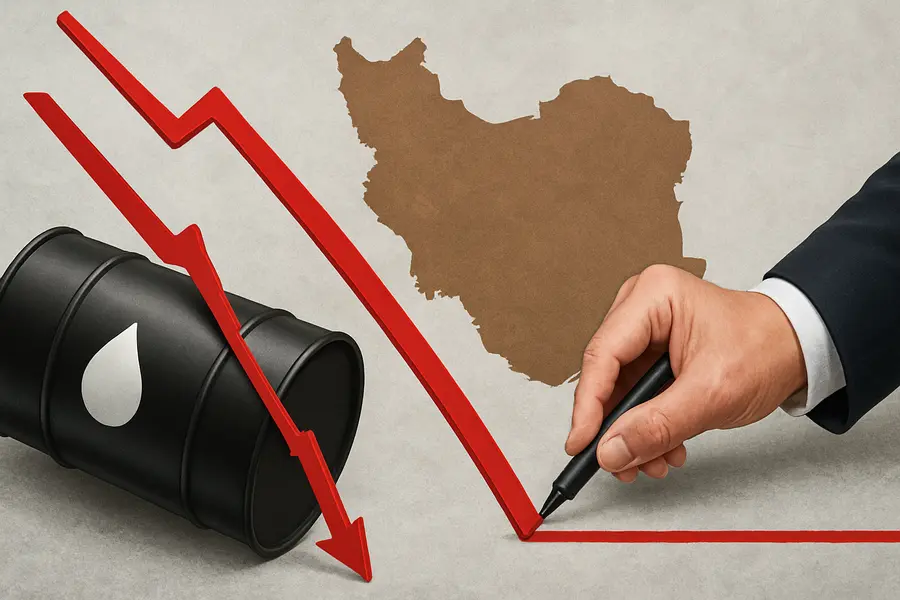
Oil prices retreat as Trump sets cease-fire red lines with Iran, pushing Brent crude down 20% from 2026 highs as energy market optimism over a pending peace deal holds.
- Brent crude fell to $93.71/barrel, extending a near-19% decline in May — the worst monthly loss since the pandemic.
- Trump's primary red line for resuming full military action: Iran killing American troops on the battlefield.
- A 60-day ceasefire extension memorandum is mostly agreed but still awaits Trump's signature.
Lead
Oil prices retreated on Thursday as President Donald Trump outlined the conditions under which Washington would return to full-scale conflict with Iran, adding fresh complexity to peace negotiations that have already pulled Brent crude roughly 20% below its 2026 peak. The international benchmark settled at $93.71 per barrel, while West Texas Intermediate futures closed near $88.90 per barrel, reflecting investor calculation that a durable deal — however fragile — remains the path of least resistance for the energy market.What Happened
The White House confirmed that Trump has told senior aides the principal red line for restarting full-scale hostilities is if Tehran kills American troops. That formulation stops short of demanding Iran meet all U.S. preconditions before any resumption of commerce through the Strait of Hormuz, and markets interpreted it as meaningful diplomatic headroom.
Negotiations have produced a draft 60-day memorandum of understanding between Washington and Tehran. Under the framework, Iran would open the Strait to prewar commercial traffic without tolls and begin clearing mines it deployed following initial U.S. strikes in April. In return, the United States would lift its naval blockade of Iranian ports and grant sanctions waivers allowing Iran to resume limited oil exports. Trump has not yet signed the memorandum.
Sticking points remain significant. The United States insists Iran must commit to never acquiring a nuclear weapon and must allow U.S. inspectors to locate and destroy its enriched uranium stockpile. Tehran has rejected both conditions as outside the scope of any preliminary agreement, triggering what the White House on one occasion called a "complete fabrication" when Iranian state media claimed the nuclear file was already partially resolved.
Market Reaction
The oil price drop accelerates a historic unwind. Brent posted its worst monthly loss since the Covid-19 pandemic in May, shedding nearly 19% as investors priced in a rising probability of Hormuz reopening. From its 2026 intraday high, Brent has now shed roughly 20%, a decline that has translated directly into lower fuel costs across energy markets in the United States, Europe, and Asia.
Volatility remains acute. On June 1, Brent surged more than 4% — settling at $94.98 — after Trump told CNBC he "doesn't care if Iran negotiations are over," a comment that briefly re-priced war risk back into futures curves. The intraday swing illustrated how sensitive pricing is to White House signals. A day later, crude gave back most of those gains as Israeli Prime Minister Benjamin Netanyahu stated in a separate CNBC interview that Israel and the United States remain prepared to strike Iran again if required, reinforcing that no final settlement is in hand.
Trump's Red Lines and the Nuclear Impasse
Trump's articulated red lines serve a dual strategic purpose: they define what would trigger resumption of hostilities while implicitly signaling what would not. By anchoring the threshold at direct Iranian lethal action against U.S. forces, the administration creates diplomatic space for continued ceasefire extension without formally endorsing the MOU's incomplete terms.
The nuclear question is the most consequential unresolved issue. Washington wants Iran's enriched uranium — which Tehran has accumulated well beyond levels permitted under the 2015 Joint Comprehensive Plan of Action — physically destroyed under U.S. supervision. Iran has described this demand as a non-starter in any preliminary framework, insisting nuclear negotiations must follow, not precede, a formal peace agreement. That sequencing dispute has stalled the MOU's finalization for weeks.
Geopolitical Dimension
The Trump Iran standoff carries weight well beyond bilateral relations. The Strait of Hormuz handles approximately one-fifth of global oil and liquefied natural gas flows. Since Iran mined the waterway and the U.S. established a naval blockade following April hostilities, global crude inventories have drawn at an accelerated pace. Industry analysts warn that even if an agreement is signed within days, the physical process of de-mining the strait, evacuating idled tankers, and restoring production would take weeks to months, with damaged refining and export infrastructure potentially requiring multiple calendar quarters to fully rehabilitate.
Iran has also conditioned full cooperation on a parallel political track: it wants Israel to halt military operations in Lebanon and withdraw from occupied positions. That linkage drags the Israel-Lebanon dynamic into the U.S.-Iran negotiating channel, complicating Washington's ability to deliver on any commitments Tehran associates with Israeli military conduct.
Outlook
The energy market will remain hostage to cease-fire developments in the near term. A signed MOU would likely drive Brent lower in the short term on reopening expectations, though supply restoration timelines mean physical balances would remain tight through at least the third quarter of 2026. A collapse in talks — or any Iranian action that crosses Trump's stated red lines — would almost certainly erase recent price declines rapidly and could push Brent back toward its 2026 highs. The 60-day extension framework, if approved, buys time for nuclear-file negotiations but does not resolve the fundamental disagreements over enriched uranium that could unwind the entire diplomatic effort.
Mentioned tickers: USO, BNO, UCO, XOM, CVX, SLBMarkets