Pomegra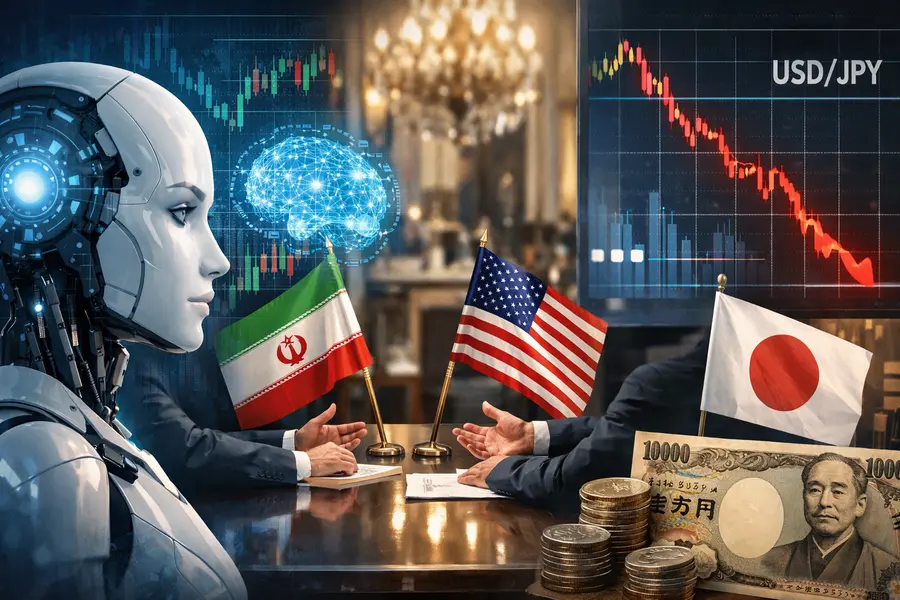
A $1.5 trillion AI stock surge, Iran war de-escalation hopes, and a landmark U.S.-Japan yen defense reshaped global markets in the week ending August 1, 2026.
- Microsoft and Amazon together added over $1 trillion in market value after Q2 AI cloud results crushed estimates.
- The U.S. and Bank of Japan deployed roughly $60 billion in a joint yen defense — the first coordinated intervention since 2011.
- Fed Chair Warsh is weighing a cut to as few as five FOMC meetings per year, with any new schedule likely taking effect in 2027.
Lead
Four concurrent storylines — a blowout AI earnings cycle, fragile Iran ceasefire diplomacy, an unprecedented currency defense of the japanese yen, and a structural rethink of Federal Reserve meeting cadence — converged in the five trading days ending August 1, 2026, producing one of the most event-dense weeks for global markets this year. The Nasdaq Composite snapped a six-session losing streak, Brent crude slid toward $80 a barrel on ceasefire optimism, and the USD/JPY dropped more than 300 basis points in a single session after Washington and Tokyo acted together for the first time in fifteen years.
AI and Technology: The $1.5 Trillion Bounce
The week's biggest market story was an unambiguous AI earnings vindication. Microsoft (MSFT) surged 15%, its best single-session gain since 2008, after Q2 results confirmed that enterprise AI adoption is translating directly into cloud revenue. Amazon (AMZN) followed with a 12% gain after AWS reported $42.2 billion in revenue for the quarter — a 37% year-over-year increase that set a record for the hyperscaler segment. Alphabet (GOOGL) added 6.7%. Combined, the three names put on nearly $1.5 trillion in market value over the week.
The rally's depth reached beyond mega-cap software. The PHLX Semiconductor Index (SOXX) jumped 8.5% on July 30, with Intel (INTC) gaining 8.6% and AMD (AMD) rising 8.1%. Nvidia (NVDA) added 2.9%, held back by proximity to its own earnings on August 26, which markets are already pricing as a potential catalyst.
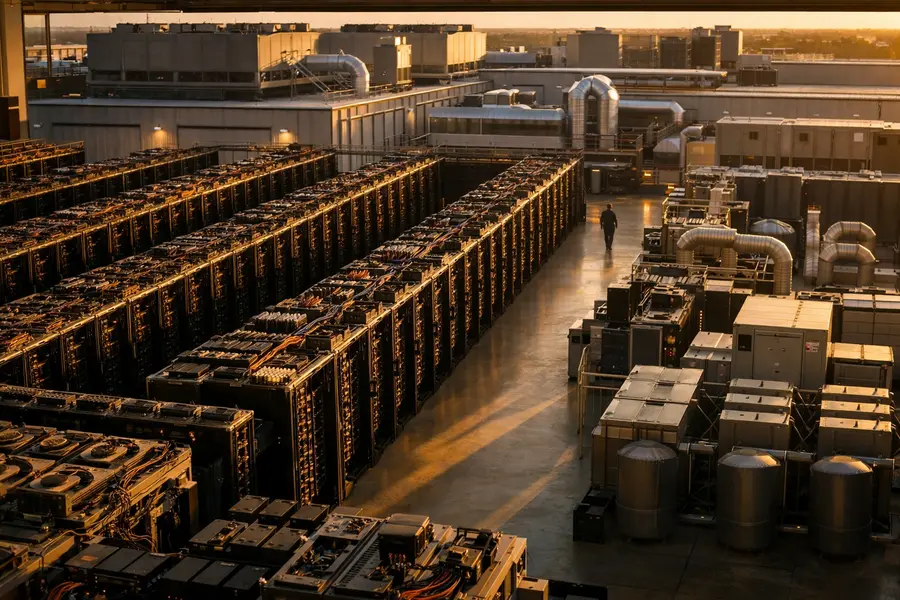
The capex signal underpinning the rally was equally significant. Alphabet, Amazon, Meta (META), and Microsoft collectively disclosed 2026 capital expenditure plans of $725 billion — a 77% increase from analyst estimates entering the year. The scale of AI infrastructure commitment resolved, at least temporarily, the market's earlier anxiety over whether returns could justify the spend.
Meta was the week's notable exception. Shares fell 8% as investors weighed concerns about the timeline for monetizing its AI strategy, extending a losing streak that has pushed the stock down 9.8% year-to-date despite sector-wide enthusiasm.Geopolitical Dimension: Iran Talks Soften Oil
The U.S.-Iran war, now in its 154th day, showed tentative signs of de-escalation after a destructive end-of-month escalation. On July 29-30, U.S. forces completed what officials described as a "heavy wave" of strikes against Iranian military targets following an overnight barrage of ballistic missiles launched by Iran's Islamic Revolutionary Guard Corps. By July 31, no new strikes were announced — the first quiet night in weeks.
President Trump stated on August 1 that he had called off a further planned strike operation after citing progress in back-channel negotiations. The State Department simultaneously issued a broad travel warning for U.S. citizens across the Middle East, reflecting the fragility of any nascent arrangement.
Japanese Yen Bills and the Bank of Japan: A Historic Joint Defense
In the most structurally significant currency event in over a decade, Japan's Ministry of Finance and the Bank of Japan intervened in New York markets on July 31, deploying approximately $53 billion in yen-buying operations — the largest single-day intervention on record for Tokyo. The U.S. Treasury Department joined the action, directing the Federal Reserve Bank of New York to sell euros and purchase yen on its behalf, committing an estimated $5–10 billion.
The USD/JPY pair dropped from 163.99 — a 40-year low for the japanese yen — to as low as 157.50 before retracing to above 160. Japan's Finance Minister Satsuki Katayama and Treasury Secretary Scott Bessent confirmed the bilateral coordination on August 3, calling it a response to "excessive volatility and disorderly movements" in the currency. President Trump described the action as a gesture of economic partnership.
The joint intervention marks the first U.S.-Japan coordinated currency action since March 2011, when the G7 moved jointly after the Fukushima earthquake. Unlike that episode, the current move is bilateral rather than multilateral. The Bank of Japan reinforced the signal by offering its clearest guidance yet on an early rate hike, even as it left policy unchanged at the July 31 meeting.
Structural forces that pushed the yen lower — persistent U.S.-Japan rate differentials, a ¥406.9 billion Japanese trade deficit in June, and carry-trade dynamics — remain in place, leaving the intervention's durability in question.
Policy and Regulation: Warsh Eyes Fewer Fed Meetings
Federal Reserve Chairman Kevin Warsh asked FOMC members to submit written views on reducing the committee's annual meeting count from eight to five or six. The proposal, raised during the July 28–29 meeting, would represent the most significant structural change to the Fed's operating calendar since 1981. Any new cadence would almost certainly not take effect before 2027; the September 15–16 FOMC meeting is the most likely venue for a formal calendar decision.
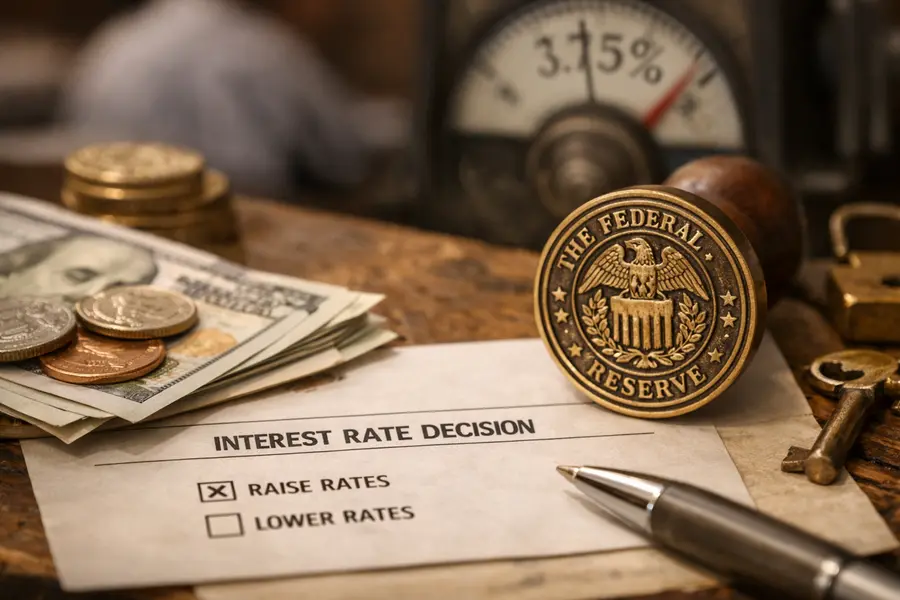
The underlying July rate decision was straightforward: the FOMC held the federal funds rate at 3.50%–3.75% for the fifth consecutive meeting, though the 9–3 vote — with Hammack, Kashkari, and Logan dissenting in favor of a 25-basis-point hike — was the most divided since September 2016. Market pricing now implies two rate increases before year-end, with the first expected at the September meeting.
Outlook
The week's dominant market narrative — that AI infrastructure spending is generating measurable revenue — enters August with institutional endorsement from three of the five largest companies in the world. Nvidia's August 26 report is the next critical data point. On geopolitics, Iran ceasefire negotiations will determine whether oil holds near $80 or retraces to the $90-plus range that characterized active escalation phases. The Bank of Japan's signaling of a rate hike, combined with the precedent of joint yen bills buying with the U.S. Treasury, resets the floor for USD/JPY and tightens the carry trade calculus globally. Fed Chair Warsh's meeting-reduction proposal will crystallize at September's FOMC, with implications for how markets read policy signals over the next two years.
Mentioned tickers: MSFT, AMZN, GOOGL, NVDA, INTC, AMD, META, SOXX