Pomegra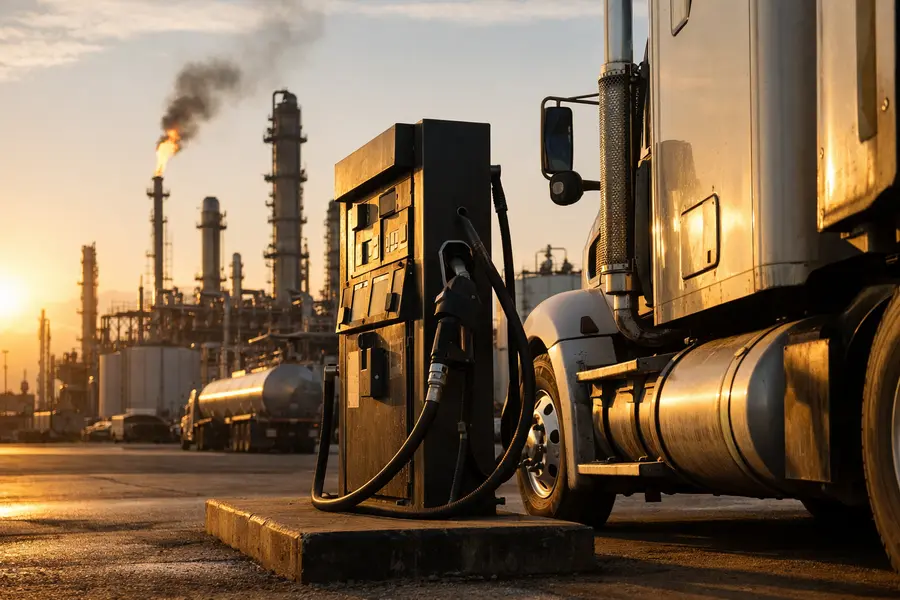
Diesel hits $5.85/gallon, surpassing the 2022 Russia-Ukraine record, as Iran war outages squeeze refinery output and freight costs surge nationwide.
- National diesel average hits $5.85/gallon, topping the June 2022 Russia-Ukraine record of $5.82/gallon.
- California pump prices reach $7.70/gallon; trucking companies immediately levy fuel surcharges on shippers.
- Goods-price inflation from the diesel spike is not expected to appear in CPI data until October, after the Fed's September interest rates decision.
Lead
U.S. retail diesel prices hit a national average of $5.85 per gallon this week, establishing the highest recorded pump price in American history and eclipsing the June 2022 peak of $5.82 per gallon that had stood since Russia's invasion of Ukraine rattled global energy markets. The record was driven by a sharp reduction in global refinery output tied to the ongoing Iran war, which has disabled a material share of Middle Eastern processing capacity and tightened worldwide distillate balances far beyond what domestic refiners can offset.
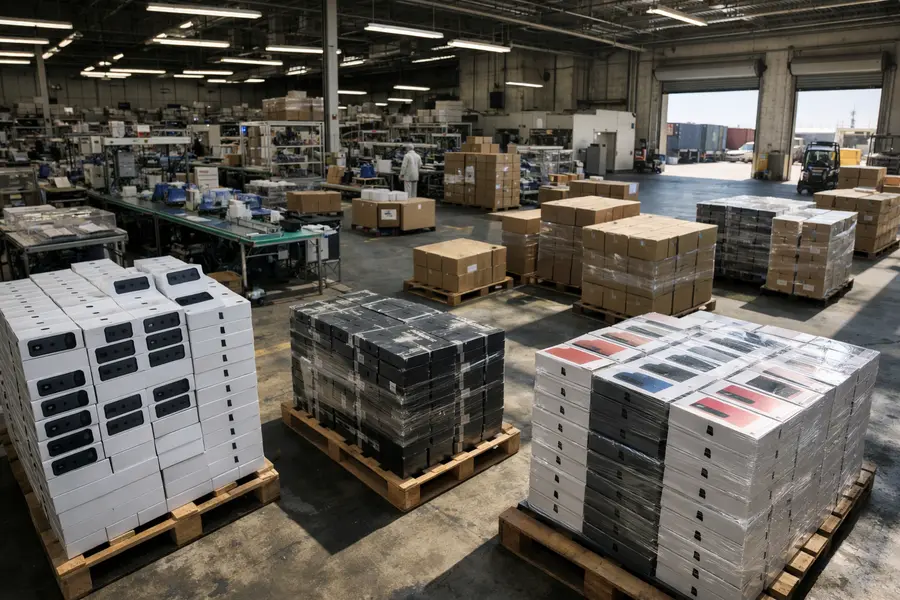
Trucking operators moved within days to implement fuel surcharges, pushing increased freight costs directly onto shippers across consumer goods, food distribution, and manufacturing supply chains.How Did the Iran War Knock Out Refinery Capacity?
The Iran conflict has disabled or severely curtailed operations at multiple regional refining facilities, removing a significant volume of distillate output from global supply at a moment when inventories were already lean. With that capacity offline, worldwide diesel and heating oil stocks tightened rapidly. U.S. refiners - led by Valero Energy (VLO), Marathon Petroleum (MPC), and Phillips 66 (PSX) - pushed utilization rates toward seasonal highs, but domestic throughput gains proved insufficient to absorb the global deficit. Crude oil prices moved simultaneously higher as Middle Eastern supply uncertainty broadened beyond refined products into upstream flows, compounding the cost pressure on every barrel processed domestically.
California Hits $7.70 and Why West Coast Prices Led the Surge
Diesel pump prices in California reached $7.70 per gallon, a figure that reflects the state's structural supply constraints layered on top of the national shock. California operates under unique fuel specifications that limit the pool of compliant supply, reducing import flexibility when domestic pipeline and terminal inventories tighten. The state's refinery maintenance schedule and the broader West Coast market's limited pipeline connectivity to Gulf Coast production hubs amplify every national disruption.
Why Won't the Inflation Hit Show Up in CPI Until October?
The Consumer Price Index captures price levels with a lag that prevents the full diesel shock from appearing in September data, which covers prices through the end of August. The pass-through from diesel to goods prices follows a multi-week sequence: carriers first absorb the spike, then implement surcharges through contract renegotiations or automatic fuel-adjustment clauses, then retailers adjust shelf pricing.
Economists estimate the complete cycle from a diesel record to measurable goods inflation in CPI data runs six to eight weeks - placing the peak impact squarely in the October release, issued in mid-November. That is well after the Federal Reserve's September interest rates meeting, at which policymakers will be working from data that does not yet reflect the full freight cost surge already propagating through supply chains. The timing creates a direct policy complication: the Fed's rate path decision will be made against an incomplete inflation picture, leaving a significant price shock effectively invisible to its primary measurement tool at the moment of the decision.
Market Reaction
Shares of major independent refiners advanced as crack spreads - the margin between crude input costs and refined product selling prices - widened materially. VLO, MPC, and PSX all registered elevated trading volumes as investors priced in improved near-term earnings from the diesel price environment. Retail sector operators including Walmart (WMT) face compounding margin pressure from higher inbound freight costs, with the full impact on consumer-facing prices expected to materialize over the following two to four months across general merchandise, grocery, and household goods categories.
Outlook
The diesel record places the Federal Reserve in an uncomfortable position: the inflationary signal embedded in the current fuel spike will not be visible in official CPI data at the time of the September meeting, leaving policymakers to calibrate interest rates against a price picture that understates the shock. If the conflict in Iran extends rather than resolves, sustained distillate tightness keeps goods-price inflation elevated through the fourth quarter. Should a rapid ceasefire restore refinery output, markets expect a price correction, though the time required to restart shuttered facilities means relief at the pump would lag any diplomatic resolution by several weeks - keeping October CPI, not September, as the first true test of how deeply diesel's record has embedded itself in the broader price level.