 Pomegra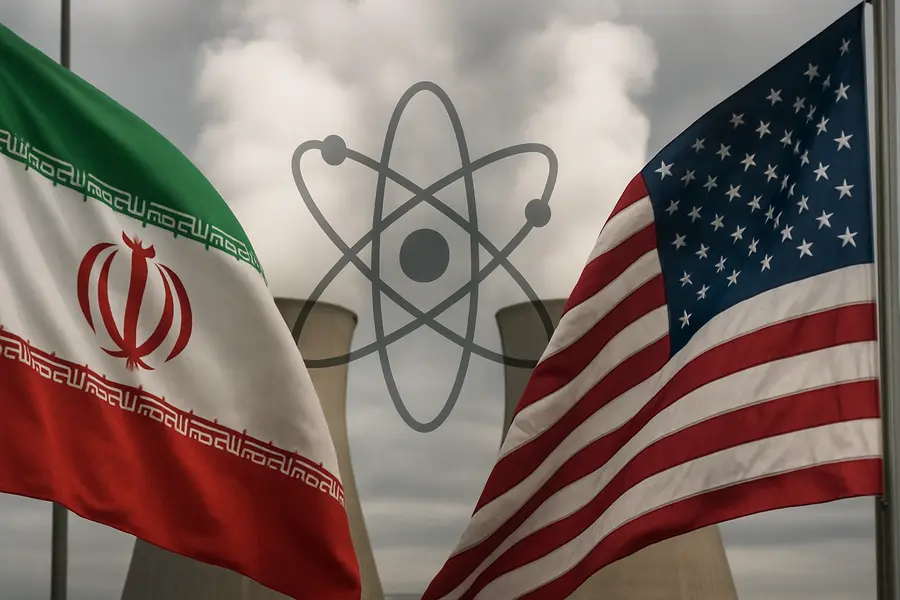
Now I have sufficient data to write the article.
- Trump declared Iran had agreed to "highest level" nuclear inspections "long into the future," making the condition a red line for continued negotiations.
- Iran's foreign ministry flatly denied any new nuclear commitments, stating it had made "no new obligations" beyond existing NPT safeguard agreements.
- The IAEA halted all verification activities in Iran after February 28, 2026; Brent crude slipped 3.1% to $74.73 as markets processed the diplomatic uncertainty.
---
President Trump says Tehran has fully agreed to perpetual IAEA nuclear site access; Iran's foreign ministry says no such commitment was made, raising fresh doubt over fragile ceasefire diplomacy.
Lead
Washington and Tehran issued sharply contradictory accounts on June 23, 2026, over whether Iran had agreed to admit International Atomic Energy Agency (IAEA) inspectors to its nuclear sites — a dispute that exposed the fragility of a memorandum of understanding signed just days earlier and threatened to derail 60-day post-conflict negotiations before they fully begin. President Donald Trump posted on Truth Social that Iran had "fully and completely agreed to highest level Nuclear inspections long into the future (Infinity!!!)." Within hours, Iran's foreign ministry spokesman Esmail Baghaei said the country had agreed to no such protocol and had made no new commitments regarding its nuclear program.
What Happened
The public contradiction followed the third round of U.S.-Iran indirect talks mediated by Pakistan in Geneva. The recently signed memorandum of understanding — which called for a halt to hostilities including in Lebanon, a process for reopening the Strait of Hormuz, the lifting of U.S. sanctions on Tehran, and the unfreezing of Iranian assets abroad — had outlined 60 days of follow-on negotiations in which Iran's nuclear program was to be addressed.
Trump stated that without Iran's agreement to inspections, "there would be no further negotiations," while also acknowledging there was "no rush" for inspectors to be physically on the ground. When Iranian officials contradicted him, Trump dismissed their denials: "They're wrong. They know they're wrong and if they were right, I'd cancel the meetings right now."
Baghaei countered that Iran would continue fulfilling its obligations as a signatory to the Nuclear Non-Proliferation Treaty (NPT) under existing safeguards arrangements — a formulation that falls well short of the broad, indefinite inspection access Trump described.
Strategic Context
The inspection dispute sits at the core of a deeper structural impasse. The IAEA ceased all verification activities in Iran on February 28, 2026, after Tehran declared that normal safeguards had become "legally untenable and materially impracticable" following military strikes on its territory. The agency has been unable to confirm whether Iran has suspended uranium enrichment or assess the current status of its stockpile since that date.
Prior to the military campaigns of 2025 and early 2026, Iran had accumulated 440.9 kilograms of uranium enriched to 60% U-235 — a purity level one technical step removed from weapons-grade. The U.S. has demanded a permanent end to all enrichment; Iran insists it retains a legal right to a civilian nuclear program.
Geopolitical Dimension
The inspection dispute is unfolding within a broader regional settlement that carries significant economic weight. The framework deal includes a reported $300 billion reconstruction investment fund for Iran, relief from U.S. sanctions, and the gradual normalization of Iranian energy exports through a reopened Strait of Hormuz. Roughly 20% of global crude oil transits the strait; its effective closure during the conflict was a primary driver of the energy price volatility that preceded current negotiations.
Pakistan, acting as primary mediator, said on June 25 that the 60-day negotiations established under the memorandum of understanding were likely to resume the following week. The precise scope of those talks — whether nuclear issues are formally on the agenda or deferred — remains a live dispute.Lebanon's status is a secondary fault line. Iran has accused Washington of failing to enforce the ceasefire there, and Tehran signaled that its negotiators would focus strictly on implementing the existing memorandum rather than expanding the agenda.
Market Reaction
Oil markets extended a decline following the diplomatic developments. Brent crude slipped 3.1% to $74.73 per barrel on June 25, its lowest level since before the onset of the Middle East conflict, as traders priced in a continued, if contested, trajectory toward normalization of Iranian supply. The move reflected market expectations that the inspection dispute — while politically charged — would not immediately collapse the diplomatic process.
What Comes Next
The next round of U.S.-Iran talks is expected within days, with Pakistan continuing its mediation role. Three substantive issues dominate the agenda: the precise scope of nuclear inspections and their timeline, the sequencing of sanctions relief against IAEA access restoration, and the status of Lebanon in the broader ceasefire framework.
Trump's public ultimatum on inspections creates a defined pressure point: either Iran signals some flexibility on IAEA access before talks resume, or the negotiating architecture faces its first significant stress test.
Outlook
The gap between Washington and Tehran on nuclear inspections is not merely rhetorical — it reflects fundamentally different understandings of what the memorandum of understanding commits each side to. For markets, the near-term baseline remains cautious optimism: Brent crude below $75 signals that investors do not yet see the deal collapsing. For diplomats, the inspection deadlock is the clearest test of whether the post-conflict framework can translate a ceasefire into a durable agreement, or whether it dissolves into competing narratives before substantive nuclear talks begin.
Mentioned tickers: XOM, CVX, BP, XLE