Pomegra
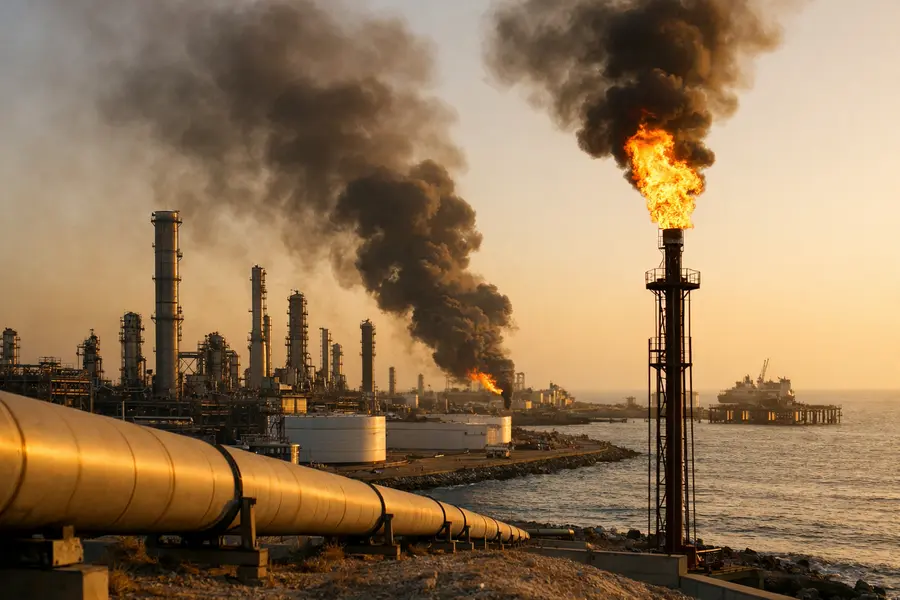
Brent crude rose about 1% to roughly $115 a barrel after the Houthis said a missile struck Saudi Arabia's Ras Tanura refinery, renewing Middle East supply fears.
- Houthis say a ballistic missile hit Ras Tanura, Saudi Arabia's largest refinery, and started a fire.
- Brent futures gained about 1.2% to near $115.3; WTI rose roughly 1.15% to about $101.
- Saudi authorities have not confirmed damage, but a fire near the terminal was reported contained.
Lead
Yemen's Iran-aligned Houthis said on Tuesday, October 27, that they hit the Ras Tanura refinery on Saudi Arabia's Gulf coast with a ballistic missile. Brent crude futures rose about 1.2% to around $115.3 a barrel in Wednesday trading. U.S. West Texas Intermediate gained about 1.15% to roughly $101.1. The claim is the latest escalation between Yemen and Saudi Arabia, eight months into the wider Iran war, and it pulled the crude oil price back to levels last seen during the conflict's most volatile stretches.
What Happened at Ras Tanura?
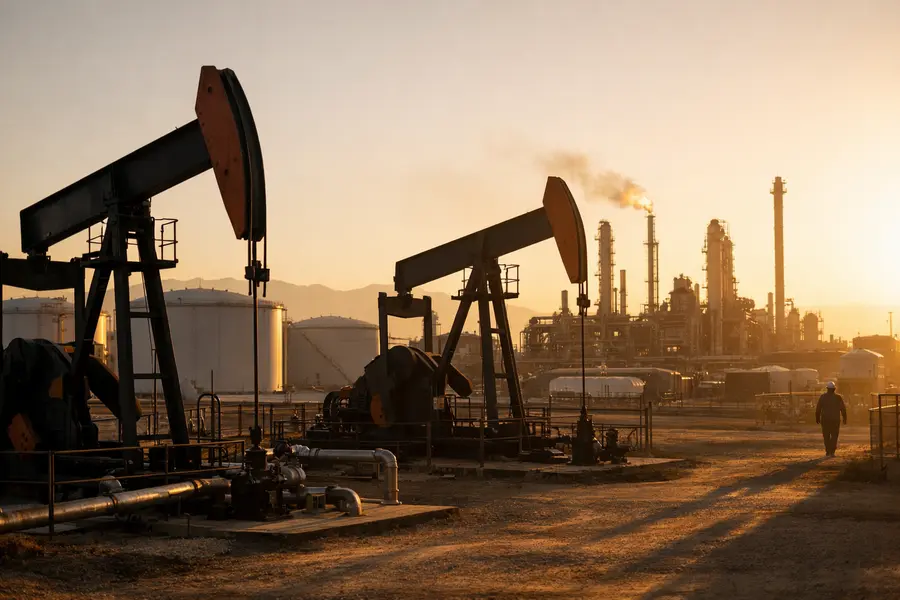
The Houthis claimed a ballistic missile strike on Ras Tanura that caused a fire at the complex. Military spokesperson Yahya Saree announced the attack. The site, operated by Saudi Aramco (2222.SR), has a refining capacity of about 550,000 barrels per day and includes a major export terminal on the Gulf, west of the Strait of Hormuz.
Saudi authorities have not publicly confirmed the strike or any damage. A fire near the terminal was reported to have been contained. No figures on lost throughput or export disruption have been released.
Why Did the Crude Oil Price Rise?
The crude oil price rose because the claim put a central node of Saudi export infrastructure back in the line of fire. Ras Tanura handles both refining and crude loading, so even a short interruption can affect regional product flows and tanker schedules.
The move was modest in percentage terms, about 1%, because the market already carries a large risk premium. Brent trades above $115, and the benchmark has been sensitive to every report involving Gulf energy assets since the Iran war began. Traders reacted to the signal as much as to the physical impact. A Houthi missile reaching the kingdom's eastern coastline suggests the group's range and intent extend beyond Red Sea shipping, its earlier focus.
The gap between Brent and WTI, about $14 a barrel, also reflects how much of the premium is concentrated in seaborne, Middle East-linked supply.
Geopolitical Dimension
The attack ties Saudi Arabia more directly to a conflict it has tried to keep at arm's length. Riyadh has historically sought to limit exposure to Iran-linked militias while protecting its oil system, which is the backbone of state revenue. The 2019 strikes on Abqaiq and Khurais, which briefly knocked out about half of the kingdom's output, remain the reference point for how quickly a single hit can reprice global energy.
Three economic channels matter in the near term:
- Export logistics: Ras Tanura loads cargoes for Asian buyers, mainly China, India, Japan and South Korea. Delays raise freight and insurance costs even without lost barrels.
- Refined products: Diesel and jet fuel margins are sensitive to outages at large Gulf refineries, and inventories are already thin.
- Spare capacity: Saudi Arabia holds most of OPEC's spare production capacity. Damage or fear of damage to its infrastructure undermines the market's main supply buffer.
What Comes Next for Oil Prices?
Oil prices in the next three months depend on whether Saudi Arabia confirms material damage and whether the Houthis can repeat the strike. If the facility is operating normally and no further hits occur, the premium added on Wednesday is likely to fade within days, as has happened after earlier claims in this conflict. A confirmed outage, or a second strike on Gulf infrastructure, would push Brent toward the upper end of its recent range and raise pressure on consuming governments to release strategic stocks.
The wider Iran war remains the dominant driver. Any diplomatic progress that reopens the supply picture would outweigh a single claimed strike. Further escalation involving shipping lanes near Hormuz would do the opposite.
Outlook
The Houthi claim leaves Brent near $115 and the market focused on two questions: what Riyadh says about the damage, and whether the group can strike again. Until those are answered, the crude oil price is likely to keep a wide geopolitical premium, with Saudi export infrastructure at the center of supply risk.
Mentioned tickers: 2222.SR