Pomegra
Alphabet lifted its 2026 AI capital expenditure ceiling to $205 billion, sending GOOGL stock down nearly 5% after-hours despite a record Q2 revenue beat.
- Alphabet raised 2026 capex guidance to $195B–$205B, up from $180B–$190B, with 2027 spending set to rise further.
- Q2 revenue hit a record $119.8B, up 24% year-over-year; Google Cloud surged 82% to $24.8B, but free cash flow turned negative at –$5.9B.
- GOOGL fell nearly 5% in after-hours trading on July 22, extending a 1.46% intraday decline.
Lead
Alphabet Inc. (NASDAQ: GOOGL) reported second-quarter 2026 results on July 22 that topped Wall Street expectations on nearly every metric, yet the company's shares dropped nearly 5% in after-hours trading after management lifted its full-year Alphabet AI capex budget to as much as $205 billion and signaled even higher outlays in 2027. The divergence between record revenues and surging infrastructure costs crystallized investor anxiety about the long-term economics of the industry's AI buildout.What Happened
The Google earnings report showed consolidated Q2 revenue of $119.8 billion, a 24% year-over-year increase and a company record. Diluted earnings per share came in at $9.11, which includes approximately $99 billion in gains from equity securities. Excluding that one-time item, core operating performance still comfortably exceeded consensus estimates.
Google Cloud was the standout business unit, posting revenue of $24.8 billion — an 82% year-over-year jump — well ahead of analyst forecasts that had penciled in approximately 63% growth. AI-driven workloads, from model training to inference deployment, accounted for much of the acceleration.Against that backdrop, capital spending dominated the post-market conversation. Management updated its 2026 capital expenditure range to $195 billion to $205 billion, up from the $180 billion to $190 billion guidance issued just three months earlier following Q1 results. Chief Financial Officer Anat Ashkenazi stated that 2027 spending is expected to "significantly increase" from 2026 levels. Free cash flow swung to negative $5.9 billion, reflecting the front-loaded nature of data-center and chip procurement.
Market Reaction
The GOOGL stock drop of nearly 5% in extended trading compounded a 1.46% loss during the regular session — a pattern consistent with broader tech stock volatility triggered by spending announcements from hyperscalers. Shares had gained more than 20% year-to-date entering the print, making the selloff a partial giveback rather than a directional reversal. The reaction nonetheless underscored how sensitive investors have become to free-cash-flow trajectories at companies committing to nine-figure annual infrastructure budgets.
Strategic Context
Chief Executive Officer Sundar Pichai framed the spending escalation in terms of customer demand exceeding available capacity. "There are very, very large customers of ours on cloud who we are trying to support through this extraordinary moment," Pichai said, adding that while near-term costs are elevated, enterprise deals are "highly ROI-positive" over their lifetimes. Ashkenazi reinforced the rationale: "Demand continues to outpace that investment."
The logic reflects a structural calculation shared across big-tech peers: building AI infrastructure too slowly risks ceding enterprise cloud market share that is proving difficult to recapture once lost. Alphabet expanded its Tensor Processing Unit deployment and extended long-term data-center commitments across North America, Europe, and Asia as part of the updated plan.
AI and Technology Angle
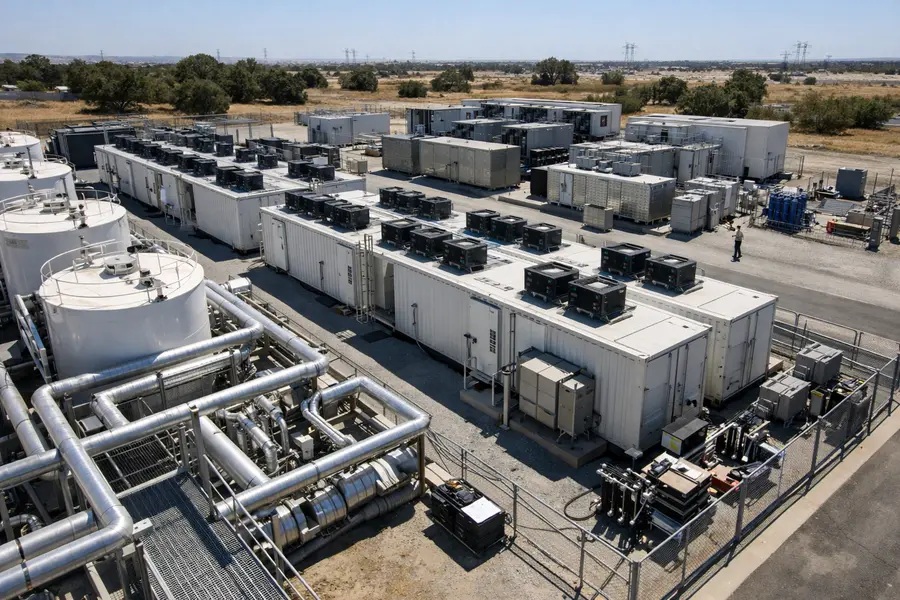
The $205 billion ceiling positions Google as the largest disclosed spender on AI infrastructure among publicly traded companies for 2026. The sum covers compute clusters for training and serving next-generation Gemini models, networking gear, cooling systems, and real estate. Incremental capacity is flowing primarily to the Google Cloud platform, where demand from enterprise clients building proprietary AI applications has outstripped supply for multiple consecutive quarters.
What Comes Next
Alphabet is scheduled to provide more granular 2027 guidance at its next earnings call in October. Investors will watch whether sustained Cloud acceleration can generate sufficient revenue to offset negative free cash flow and, over time, justify the unprecedented scale of the Alphabet AI capex program. Any moderation in spending growth, or evidence that investment return curves are compressing, would likely be welcomed by the market.Outlook
Record Cloud growth and a 24% revenue quarter confirm that Alphabet's AI strategy is generating measurable commercial results. The core tension — between a business producing $119.8 billion in quarterly revenue and an infrastructure program that has driven free cash flow negative — will define investor sentiment toward GOOGL through year-end and into 2027. The company's willingness to absorb near-term cash pressure in pursuit of long-cycle cloud contracts sets the central debate: whether the spending represents a durable competitive moat or a margin headwind that well-capitalized peers will eventually match.