Pomegra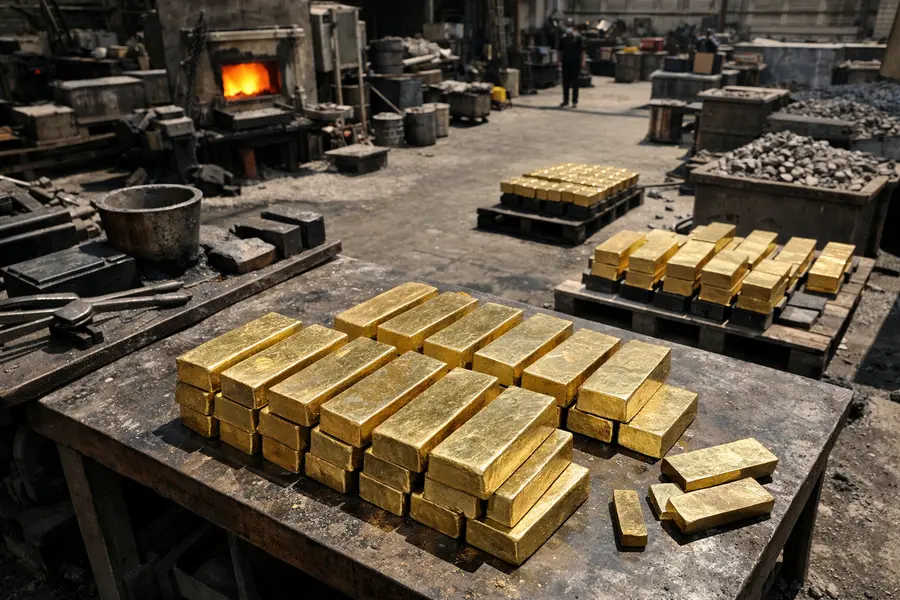
Gold has tumbled more than 20% since the US-Iran conflict erupted, as surging oil prices feed inflation and force the Federal Reserve toward higher interest rates, crushing the metal's traditional safe-haven premium.
- Gold has shed more than 20% since the US-Iran war began in late February 2026, trading near $4,282 per ounce in mid-September.
- August CPI held at 3.4% annually, with gas prices rising 4% in a single month, lifting the odds of a Fed rate hike at the September 15-16 meeting to 90%.
- HSBC raised its 2026 Brent crude forecast to $90 per barrel as Strait of Hormuz traffic remains at roughly 30% of pre-conflict levels.
Lead
Gold (GLD) traded near $4,282 per ounce in mid-September 2026 - a decline of more than 20% from pre-war levels - as the geopolitical shock widely expected to send bullion surging has instead triggered a macro chain reaction that has systematically dismantled the metal's crisis-hedge role. Disrupted Strait of Hormuz flows drove Brent crude up roughly 50% since hostilities began in late February, feeding an energy-driven inflation print of 3.4% in August and lifting the probability of a Federal Reserve rate hike at this week's September 15-16 meeting to 90%, according to the CME FedWatch tool. Commodity bulls who crowded into gold at the onset of hostilities now face the sharpest sustained decline in the metal in three years.
Why Is Gold Falling While a War Is Under Way?
The conventional safe-haven playbook has broken down because the conflict arrived during a structurally different monetary moment. After US-Iran hostilities began in late February 2026, tanker traffic through the Strait of Hormuz fell to roughly 30% of pre-conflict levels. That constriction pushed Brent crude above $105 per barrel - a gain of approximately 50% - which lifted the average US retail gasoline price to $4.29 per gallon, more than $1.30 above the pre-war baseline. Energy costs fed directly into the consumer price index: August CPI held at 3.4% year on year, with gasoline accounting for approximately one-third of the monthly gain as pump prices rose 4% in August alone.
Inflation running more than a percentage point above the Federal Reserve's 2% target forced policymakers to abandon the two rate cuts markets had priced in for 2026 before the war began. Traders have now fully priced out any easing this year and swung to a 90% probability of an additional hike. Higher interest rates raise the opportunity cost of holding non-yielding gold, while the associated dollar strength - the greenback has rallied broadly as US policy tightens while peers pause - makes dollar-denominated bullion more expensive for international buyers. The combination has overwhelmed any geopolitical demand the conflict might otherwise generate.
What Does the Macro Chain Mean for Interest Rates and Gold?
The Iran conflict has effectively re-sequenced the Federal Reserve's policy calendar for the entire year. Traders shifted from pricing two cuts to pricing additional hikes in the span of six months. The 10-year US Treasury yield has climbed to approximately 4.79%, compressing the relative appeal of gold against interest-bearing assets. HSBC (HSBC) simultaneously revised its average 2026 gold price forecast down to $4,560 per ounce and raised its Brent crude forecast to $90 per barrel, implicitly acknowledging that the war's supply disruption has no near-term resolution and that elevated interest rates will continue to cap bullion's recovery.
The Federal Reserve has historically looked through energy shocks, treating them as transitory supply-side disturbances. The prolonged Hormuz disruption has made that posture increasingly difficult. With headline CPI anchored above 3% for several consecutive months, the central bank faces pressure to demonstrate credibility on its inflation mandate rather than wait for a diplomatic resolution that has not materialized. The Dallas Fed has estimated that even a one-quarter closure of the strait could raise US headline inflation by 0.6 percentage points and core inflation by 0.2 percentage points - a feedback loop that reinforces the case for sustained tightening.
Oil-to-Gold Correlation Has Broken Down
In prior Middle Eastern conflicts, oil and gold frequently moved in tandem, drawing simultaneous safe-haven and inflation-hedge flows. The 2026 pattern has severed that link. Brent crude has risen approximately 50% since late February while gold has fallen more than 20% over the same period. The divergence reflects the Federal Reserve's central role: in prior low-rate decades, oil-linked inflation expectations boosted gold as a store of value. In the current high-rate environment, any inflation signal accelerates tightening expectations, strengthening the dollar and depressing bullion. GLD, the SPDR Gold Shares ETF, has tracked spot prices lower throughout the period, while SLV, the iShares Silver Trust, has moved in parallel, losing both monetary and industrial demand support amid broader growth uncertainty.
Does the Conflict Support Any Traditional Safe Havens?
The US dollar and short-duration Treasuries have absorbed the safe-haven flows that gold would typically receive. In an environment of active Fed tightening, dollar-denominated cash and short-maturity instruments offer positive real yields - an advantage gold cannot match. HSBC's stalemate scenario - in which diplomacy remains deadlocked and Hormuz flows stay constrained at current levels - projects Brent potentially reaching $120 per barrel. That outcome would amplify the inflationary impulse, extend the timeline of monetary restraint, and apply additional downward pressure on gold unless the energy shock becomes severe enough to trigger recession fears or a broader credit-market dislocation that pushes the Fed to pivot.