Pomegra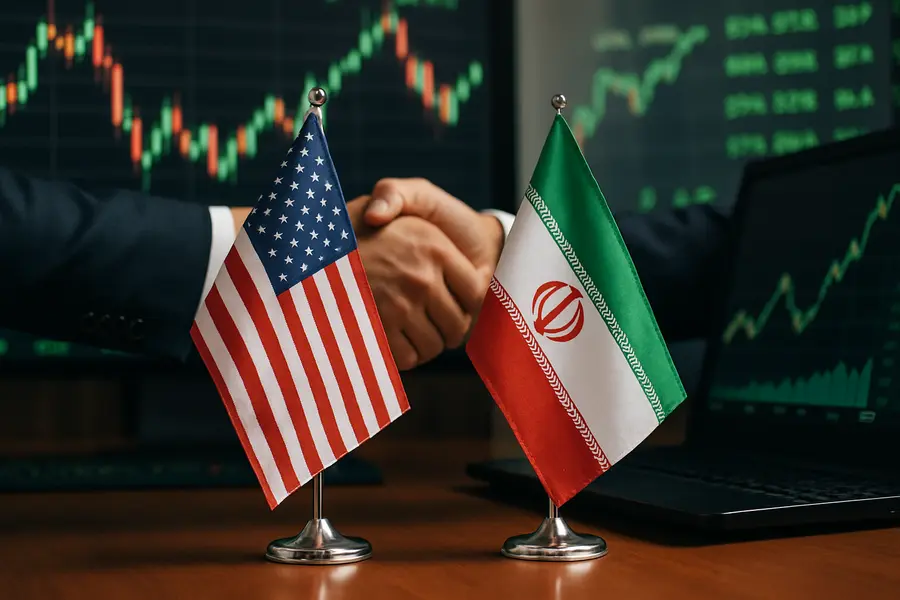
U.S. stock market futures surged Monday after Washington and Tehran announced a landmark peace agreement, with Nasdaq 100 futures jumping 1.97% and investor sentiment shifting sharply risk-on.
- Nasdaq 100 futures rose 1.97%, S&P 500 futures gained 1.22%, and Dow futures climbed 0.95% on the US-Iran peace announcement.
- The Strait of Hormuz is set to reopen within days, removing a critical energy supply disruption and sending crude oil prices sharply lower.
- The deal pairs sanctions relief for Iran with Tehran's commitment to dismantle its nuclear program; a formal signing is scheduled in Switzerland on June 19.
Lead
Stock market futures surged in pre-market trading Monday, June 15, 2026, after the United States and Iran announced a weekend peace agreement that effectively ended weeks of military conflict in the Middle East. The Nasdaq 100 led gains at 1.97%, equivalent to 590 index points, while S&P 500 futures advanced 89 points, or 1.22%, and Dow Jones Industrial Average futures added 492 points, a gain of 0.95%. The deal, brokered through Swiss diplomatic channels, pairs the lifting of U.S. economic sanctions and maritime blockade restrictions with Tehran's commitment to verifiably dismantle its nuclear program — a combination that removed one of the most significant geopolitical risk premiums hanging over global asset markets.What Happened
The agreement emerged from accelerated back-channel negotiations that culminated over the weekend. Under the framework, the United States will support the reopening of the Strait of Hormuz — a chokepoint through which approximately 20% of global seaborne oil supply transits — while easing broad-based economic sanctions imposed on Iran during the conflict. Tehran has committed to allowing international inspectors to oversee the dismantling of its nuclear infrastructure. President Trump signed a memorandum of intent Sunday evening, providing the catalyst for equity futures to gap sharply higher in overnight trading. A formal signing ceremony is scheduled in Geneva on June 19.
Market Reaction
The market rally today extended through the regular session. By the closing bell, the S&P 500 had gained 1.49%, the Dow Jones Industrial Average rose 1.20%, and the Nasdaq Composite surged 2.38% — its largest single-session advance in more than two months. The U.S. dollar fell to a 10-day low against a basket of major currencies as traders unwound safe-haven positions accumulated during the conflict. Treasury yields edged modestly higher as capital rotated from government bonds into equities. Growth and technology sectors captured the bulk of the inflows, with semiconductor, software, and consumer discretionary names leading the advance. Energy stocks reversed sharply, giving back a meaningful portion of the elevated gains accumulated over the prior weeks as the conflict had kept oil prices inflated.Energy Markets and the Hormuz Factor
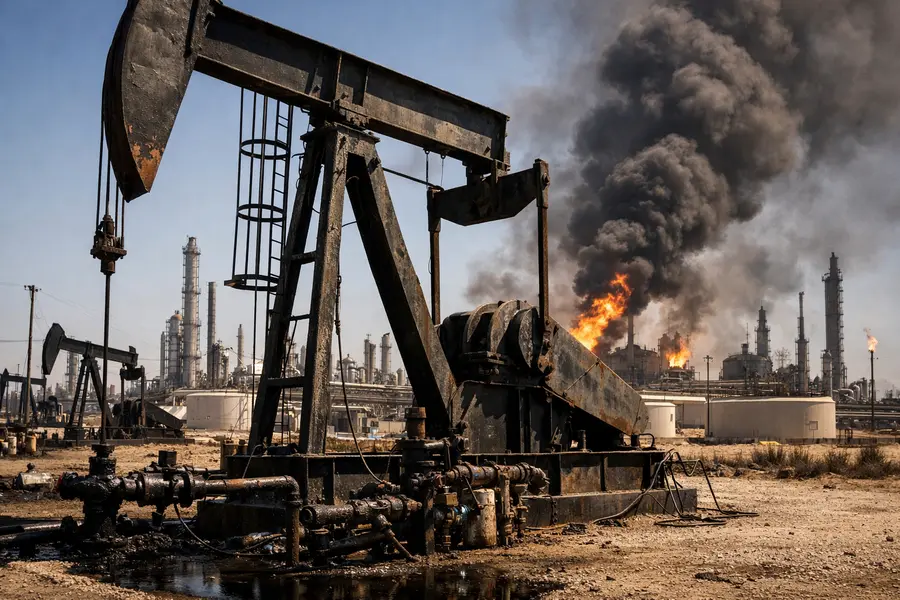
The announcement delivered an immediate shock to commodity markets. Brent crude and WTI crude futures fell sharply as traders priced in the imminent removal of the supply disruption premium that had kept oil elevated since hostilities began. The Strait of Hormuz is expected to resume normal transit operations within days of the Geneva signing, according to diplomatic statements accompanying the announcement. Analysts noted that energy markets had been pricing in a sustained disruption scenario, and the rapid evaporation of that risk premium accelerated selling pressure in crude.
The decline in energy costs carries second-order implications across global supply chains. Airlines, shipping operators, and energy-intensive manufacturers moved higher on Monday as operating cost assumptions were repriced lower.
Investor Sentiment and the Macro Shift
Investor sentiment registered a broad and rapid pivot. Emerging market equities and currencies rallied alongside U.S. futures as the peace deal lifted one of the principal macro overhangs that had complicated the global growth picture through the first half of 2026. Gulf Cooperation Council equity markets responded positively, reflecting a sharp reassessment of regional risk premiums that had widened materially during the conflict period.The easing of geopolitical pressure arrives at a consequential moment for Federal Reserve policymakers. Elevated oil prices had contributed to inflationary readings that complicated the timeline for rate cuts. With crude now declining materially, the disinflation case for policy easing strengthens ahead of the Fed's next scheduled meeting. Rate futures shifted meaningfully following the announcement, with market participants increasing the implied probability of at least one rate reduction before year-end.
The confluence of geopolitical de-escalation, lower energy costs, and improving monetary policy expectations created a powerful tailwind across technology, financials, and consumer discretionary sectors — the three groups that had underperformed most sharply during the height of the conflict.
Outlook
The US-Iran peace framework, paired with the anticipated reopening of the Strait of Hormuz, removes the dominant source of macro uncertainty that had suppressed stock market futures and broader investor sentiment through the first half of 2026. Markets are now repricing a more constructive second-half environment, supported by declining energy costs, improving trade route stability, and a Federal Reserve that may find clearer room to act on rates. The formal signing ceremony on June 19 represents the next key catalyst: any complication in implementation or sign of domestic Iranian resistance to the nuclear dismantlement timeline could prompt partial reversal of Monday's gains. Absent disruption, the structural shift in global risk appetite appears durable through the near term, with the primary question for equity markets turning from geopolitical risk to the pace and breadth of the anticipated earnings recovery.
Geopolitics