Pomegra
Canada will impose dollar-for-dollar mirror tariffs on $27.6 billion in US goods starting Sept. 8, after trade talks collapsed and Washington levied 50% duties on Canadian imports.
- Washington imposed 50% tariffs on $20 billion in Canadian goods after negotiations unraveled Friday; Canada's matching measures activate Sept. 8.
- Ottawa's counter-tariffs span 874 product categories -- steel, dairy, appliances, agricultural machinery, electronics -- valued at $27.6 billion in US exports.
- USTR Jamieson Greer blamed Canada for demanding more at the last minute; Carney called US terms "uneconomic" and declared the dispute a war.
Lead
Ottawa launched a full-scale economic counter-offensive on Saturday, Aug. 23, after last-ditch trade negotiations with Washington collapsed overnight, triggering US 50% tariffs on $20 billion in Canadian goods at the stroke of midnight. Prime Minister Mark Carney announced that Canada would respond with matching dollar-for-dollar counter-tariffs across 874 tariff lines -- covering $27.6 billion in US-origin imports -- effective 12:01 a.m. on September 8. The Canadian dollar dropped as much as 0.7% to C$1.3851 per US dollar, its steepest single-session decline in over two months, as investors absorbed the scope of the breakdown.
Why Did Canada-US Trade Talks Collapse?
Both capitals blame the other, but the sequence of events is not contested. By Tuesday night, Aug. 19, negotiators had identified what US Trade Representative Jamieson Greer later called "the way to a deal." In the final hours before Friday's midnight deadline, the path closed. Greer posted on X that "Canada declined to finalize the trade deal under the terms agreed earlier this week," and told CNBC directly that Ottawa "wanted more" at the eleventh hour.
Carney's account inverts the blame entirely. The prime minister said that US terms shifted at the last moment -- becoming "unfair" and "uneconomic" -- and that Canada had been prepared to drop its existing retaliatory tariffs on steel, aluminum, and autos if Washington lowered its own. "They asked too much and offered too little," Carney said Saturday. Then he deployed the sharpest language yet heard in the dispute: "You're at war when you get attacked. We got attacked."
What Exactly Is Each Side Targeting?
The US 50% tariffs triggered Saturday on roughly $20 billion in Canadian goods -- wine, hockey sticks, cement, furniture, clothing, cameras, and agricultural products among them. Washington applied a Section 338 mechanism to impose these levies, effectively sidestepping the USMCA's existing exemption framework. President Trump separately confirmed that US tariffs on Canadian cars, trucks, auto parts, and steel will rise again -- to 50% -- on January 1, 2027, ratcheting long-term pressure on North American automotive supply chains.
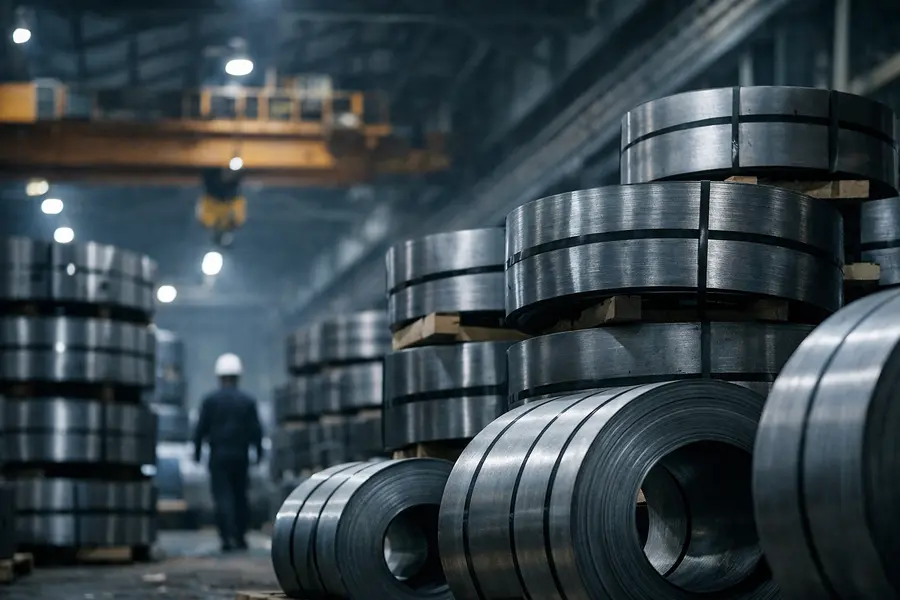
Canada's September 8 counter-package is structured in three bands: 15%, 25%, and 50%. Steel and aluminum, where 25% tariffs were already in place, will be raised to the full 50% to match the US rate. Dairy, appliances, agricultural machinery, pulp and paper, and a broad electronics category fill the remainder of the 874 listed items.
What Does the Breakdown Mean for USMCA Renewal?
The USMCA review process -- already fraught -- is now in genuine jeopardy. The continental framework, which replaced NAFTA in 2020, faces its six-year renegotiation window at precisely the moment both governments are trading tariff volleys and public accusations. Washington's use of Section 338 to bypass USMCA protections signals that the agreement is being treated as optional when politically convenient -- a precedent that corrodes the legal certainty the pact was designed to guarantee.
Carney's decision to cast Canada's response in the language of war, rather than the calibrated language of trade diplomacy, raises the domestic political cost of any fast retreat. Conceding quickly now -- for either side -- means absorbing a visible loss on the public record.
Market and Economic Fallout
Beyond the currency move, the combined impact of Washington's Section 338 measures and Canada's matching response is projected to reduce Canadian GDP by approximately 0.3 percentage points by 2027. The Bank of Canada, which had been monitoring elevated energy prices as a potential argument for policy tightening, faces a growth drag that pushes rate increases further off the table even as import costs rise.
US industries directly in Ottawa's crosshairs include steel producers, dairy exporters, manufacturers of agricultural equipment, and electronics and appliance makers selling into the Canadian market -- all of whom face a 50% surtax environment beginning in less than two weeks.
Outlook
The next inflection point is September 8, when Canada's counter-tariffs take force and both economies absorb the full cost of matched 50% levies across hundreds of product lines. With negotiators from both sides trading public recriminations rather than proposals, and with the USMCA's architecture visibly strained by Washington's use of Section 338 to circumvent it, a diplomatic reset before that date appears remote. The longer the confrontation persists at this intensity, the greater the structural damage to supply chains built over three decades of integrated North American trade -- and the higher the threshold for any eventual settlement.
Mentioned tickers: