Pomegra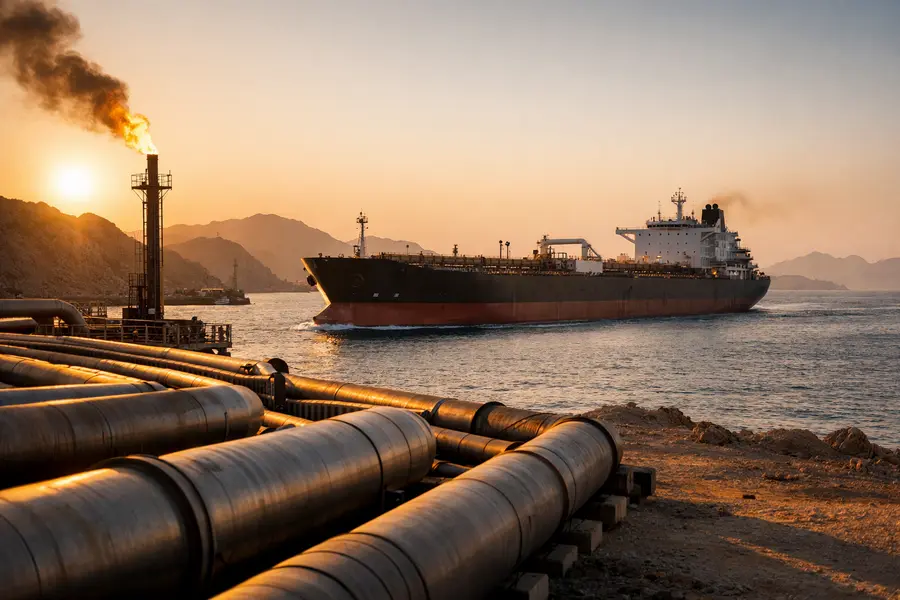
Brent crude holds near $105 after Washington dismissed Iran's seven-day offer to reopen the Strait of Hormuz for sanctions relief as "cynical."
- Brent topped $107 on Monday after President Trump rejected Iran's seven-day plan, then eased to about $105 on Tuesday.
- Iran sought frozen-asset release, oil sanctions waivers and an end to the US naval blockade in return for reopening the strait.
- The gap between Brent's two nearest contracts has widened to more than $7 a barrel, from under $1 at the end of August.
Lead
Brent crude futures rose more than 3% on Monday to above $107 a barrel, and touched levels near $108, after the United States rejected an Iranian proposal to reopen the Strait of Hormuz within seven days in exchange for sanctions relief. President Donald Trump turned down the plan on Saturday. A senior US official called it "cynical" on Sunday and described it as a non-starter. Brent has since eased to about $105, leaving the benchmark up roughly 16% over the past month and nearly 60% above its level a year ago.
What Did Iran Offer, and Why Did Washington Refuse?
Iran offered a one-week ceasefire, including in Lebanon, in exchange for concessions that Washington considers far too broad. Foreign Minister Abbas Araghchi said the plan required the US to release at least $12 billion in frozen Iranian assets, waive sanctions on Iranian oil and lift the naval blockade on Iran. He estimated those conditions would take four or five days to meet. The strait would then reopen, and talks on a "final deal," including Iran's nuclear program, would begin on day seven.
Washington read the sequence as front-loaded relief with no binding commitment on the nuclear file. Trump said Tehran wanted the arrangement because it was "losing so badly." The "cynical" label from the US official signals that the administration sees the offer as an attempt to secure financial and military relief before any substantive concession.
Why Did the Crude Oil Price Jump?
Oil rose because the rejection removed the most concrete path to reopening a chokepoint that normally carries roughly a fifth of the world's seaborne oil. Brent futures, the crude oil price MarketWatch readers and traders watch most closely, had slipped about 2% the previous session as the offer circulated. Those losses reversed within hours of the rejection.
The futures curve shows how tight the physical market is. The spread between Brent's two nearest contracts has widened to more than $7 a barrel, from under $1 at the end of August. A spread that wide means buyers are paying a steep premium for immediate delivery over barrels arriving a month later. It is a typical sign of prompt supply scarcity.
Geopolitical Dimension
The standoff has moved through several phases since summer. Talks stalled in August over Iranian conditions. Tit-for-tat strikes in early September pushed Brent through $100. US forces have also struck tankers linked to the Islamic Revolutionary Guard Corps, which has kept shipping insurers and charterers cautious.
Geography limits the options on both sides. The strait is about 21 nautical miles wide at its narrowest, and alternative export routes from the Gulf, such as pipelines to the Red Sea and the Gulf of Oman, cover only a fraction of normal flows. Iran's leverage comes from its ability to keep the passage closed. Washington's leverage comes from the blockade and the oil sanctions, which cut Iran's export revenue.
Mediators have not abandoned the process. Trump has said he expects talks to resume this week, and a phased arrangement that would sequence sanctions relief against shipping guarantees has been discussed. The gap between the sides is over who moves first and how far the relief extends.
What Comes Next for Oil Prices?
Brent is likely to keep trading in the $96 to $108 range that has held through the standoff, with the direction set by diplomatic headlines rather than physical balances. A credible phased deal would probably pull prices toward the low end of that range, as happened when the seven-day offer first surfaced and Brent fell about 3%. A collapse of talks, or a fresh strike on shipping or energy infrastructure, would test the top of the band and could carry crude back above $108.
The economic channels reach well beyond crude. Higher freight and insurance costs feed into refined product prices. Importers in Asia and Europe face the largest exposure, and central banks weighing inflation risks have less room to ease policy while energy prices stay elevated. The three-to-twelve-month risk is a sustained energy shock. The structural risk is that buyers keep building inventories and diversifying supply away from Gulf routes.
Outlook
Brent sits near $105 with a market that prices in continued disruption. The US has rejected Iran's seven-day plan, but mediators are still working and talks are expected to resume this week. The sequencing dispute over sanctions relief and the strait's reopening is the variable that will decide whether crude moves back toward $96 or retests $108.