Pomegra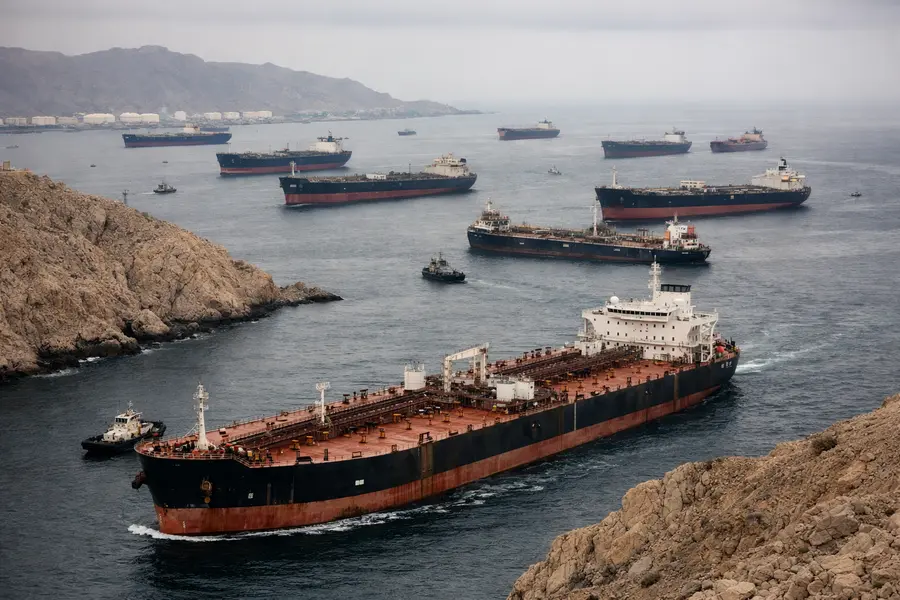
Brent crude slides below $70 for a fourth straight session as Iran and Oman formalize a Hormuz revenue deal, but Tehran conditions any strait reopening on U.S. sanctions relief.
- Brent crude settled below $70 per barrel for a fourth consecutive session, extending a decline of roughly 12 percent over two weeks.
- Iran and Oman signed a Strait of Hormuz revenue-sharing framework in Muscat, but Tehran said the deal does not trigger a reopening without parallel sanctions relief.
- Oil traders face a split signal: diplomatic architecture is advancing while U.S. Treasury enforcement remains unchanged.
Lead
Brent crude closed below $70 per barrel for a fourth straight session on Friday, with the front-month contract settling near $69.40 as markets digested a landmark diplomatic development that fell short of resolving the physical disruption at the heart of the oil market's recent volatility. Iran and Oman formally signed a Strait of Hormuz revenue-sharing arrangement in Muscat, formalizing months of back-channel negotiations - but within hours Tehran made clear that the agreement would not translate into a reopening of the waterway absent substantive relief from U.S. Treasury sanctions. West Texas Intermediate settled near $66.10, and trading volumes in energy futures ran above the 30-day average as speculative long positions accumulated during the disruption period continued to unwind.
What Did Iran and Oman Agree To?
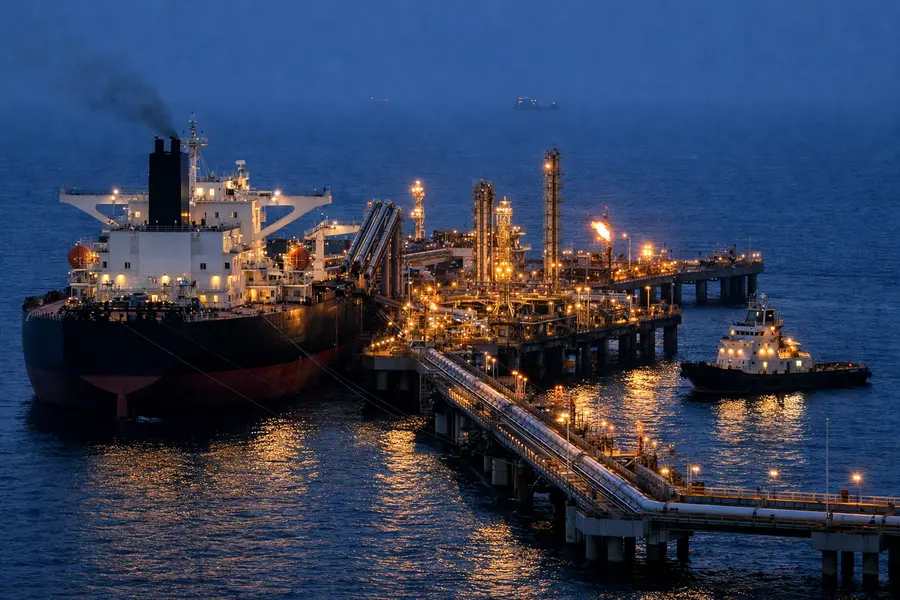
The two nations signed a framework under which Iran receives a structured share of transit fees collected from commercial shipping passing through the Strait of Hormuz, the 21-mile-wide chokepoint through which approximately 20 percent of globally traded oil flows. Oman, which has served as a quiet intermediary between Tehran and Western governments across multiple diplomatic cycles, brokered the arrangement over several months of low-profile talks. The formal signing ceremony in Muscat was framed by both governments as a contribution to regional maritime stability. Tehran's foreign ministry qualified the statement immediately, declaring that normalizing strait access remained contingent on substantive relief from sanctions administered by the U.S. Treasury's Office of Foreign Assets Control - particularly secondary measures that penalize third-country buyers of Iranian crude and block Iranian financial institutions from dollar-clearing networks.
Why Did Crude Oil Prices Fall If the Strait Remains Closed?
Markets had begun discounting a partial diplomatic resolution before the formal signing, pricing out the most severe tail risks over the preceding four sessions as the probability of an agreement rose. The crude oil price decline reflected the removal of an acute upside risk premium rather than any actual supply recovery. Each session this week recorded incremental losses as deal expectations firmed. Friday's formal confirmation removed the remaining uncertainty around the signing itself while introducing a new and harder-to-resolve variable: the gap between Iranian diplomatic objectives and U.S. sanctions policy. Traders responded by extending sales rather than treating the agreement as a catalyst for price support. Gold (GLD) held near recent highs as some market participants maintained hedges against continued geopolitical uncertainty. The U.S. dollar strengthened modestly on safe-haven flows, adding mild additional headwinds to dollar-denominated commodities across the board.
What Does U.S. Treasury Pressure Mean for Strait Reopening?
The Office of Foreign Assets Control sanctions targeting Iran's energy exports and financial system remain fully in force. Tehran's position is that any normalization of Hormuz transit requires Washington to lift or substantially suspend measures that make Iranian crude effectively untouchable for most institutional buyers. The U.S. Treasury has given no public indication that sanctions relief is under active consideration, and Washington has not formally acknowledged the Iran-Oman deal as a basis for policy revision. This is the structural tension that leaves oil traders caught between two competing signals: the diplomatic architecture is partially assembled, but the economic enforcement mechanism that Tehran identifies as the core impediment has not shifted. Until those two tracks converge - or diverge decisively - the crude oil price outlook remains hostage to a negotiation that extends well beyond the energy market itself.
Market Reaction and Broader Asset Spillovers
The four-session decline rippled through energy-linked equities, tanker stocks, and commodity markets. Tanker names, which had rallied sharply during the disruption period as rerouting added voyage costs and fuel consumption, gave back a portion of those gains as traders reassessed the timeline for Hormuz normalization. Broader equity benchmarks were mixed. The S&P 500 (SPY) and Nasdaq QQQ edged higher as falling crude prices reduced near-term inflation concerns, softening expectations around the Federal Reserve's rate trajectory. Technology and consumer-discretionary shares outperformed; energy underperformed in line with the commodity.
Strait of Hormuz: Why the Deal Alone Cannot Reopen It
The Strait of Hormuz is not solely a diplomatic variable - it is a physical chokepoint governed by Iranian territorial waters on its northern edge. Even with a revenue-sharing arrangement in place, Iran retains the practical capacity to impede or restrict transit through naval presence, regulatory measures on vessel insurance, or formal navigation restrictions. Prior episodes of transit disruption - including tanker incidents in 2019 - demonstrated that the waterway's vulnerability does not resolve through bilateral commercial agreements alone. The current standoff reflects that structural reality: an arrangement on revenue sharing does not constitute an arrangement on freedom of navigation, and Tehran has made that distinction explicit.
Outlook
Brent crude's four-session slide reflects a market moving from a worst-case disruption scenario toward a prolonged ambiguity scenario. The Iran-Oman deal is a significant diplomatic milestone, but Tehran's explicit linkage of strait reopening to U.S. sanctions relief introduces a variable that energy markets cannot resolve through supply-and-demand mechanics alone. Until Washington and Tehran reach a direct understanding on sanctions - or until the disruption extends long enough to rebuild a measurable physical supply deficit - crude prices are likely to trade within a range defined more by global demand signals and broader macro conditions than by Hormuz-specific headlines. The next substantive catalyst will be any confirmed direct contact between U.S. and Iranian officials on the sanctions question.
Mentioned tickers: GLD, QQQ, SPY