Pomegra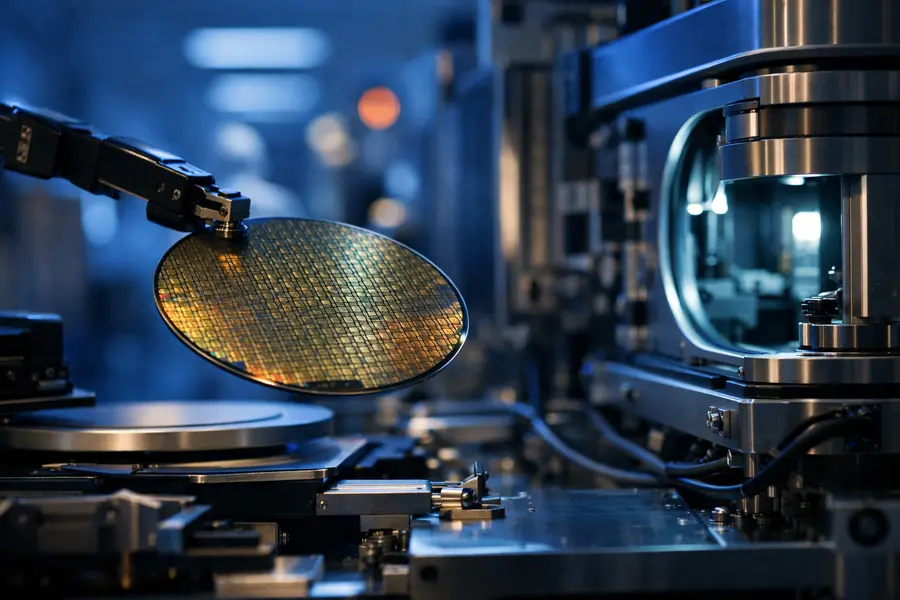
Arm Holdings surged more than 6% on September 17, extending its 224% year-to-date gain as AI processor demand firms and supply chain bottlenecks ease across the semiconductor sector.
- ARM opened more than 6% higher on September 17, pushing its 2026 year-to-date advance to 224% on durable AI processor demand.
- Marvell technology stock and Corning rose in sympathy, signaling broad supply chain normalization across the AI chip ecosystem.
- Yen-driven carry trade liquidation remains the primary macro risk capable of interrupting the sector's momentum heading into Q4.
Lead
Arm Holdings (ARM) opened more than 6% higher on September 17, 2026, accelerating a 224% year-to-date advance that has established the chip architecture company as one of the defining beneficiaries of the current AI infrastructure buildout. Strengthening demand signals from cloud hyperscalers for AI-optimized processors - combined with confirmation that component shortages are easing along critical supply chain nodes - drove the session-opening move. Marvell Technology (MRVL) and Corning (GLW) climbed in sympathy, extending gains across the semiconductor ecosystem even as a persistent yen-driven liquidation overhang continued to cap institutional participation.What Triggered ARM's September 17 Jump?
Demand visibility from the hyperscaler tier improved materially in the days preceding the September 17 session, reinforcing that AI processor order momentum remains intact through the second half of 2026. ARM's instruction set architecture underpins a growing share of AI accelerators across major chip designers, giving the company royalty exposure to virtually every competitive design sold into AI workload applications. The 224% year-to-date gain reflects a sustained re-rating of that royalty stream as AI compute spending has accelerated, and the September 17 session extended the revaluation as evidence mounted that demand is durable rather than a pull-forward.
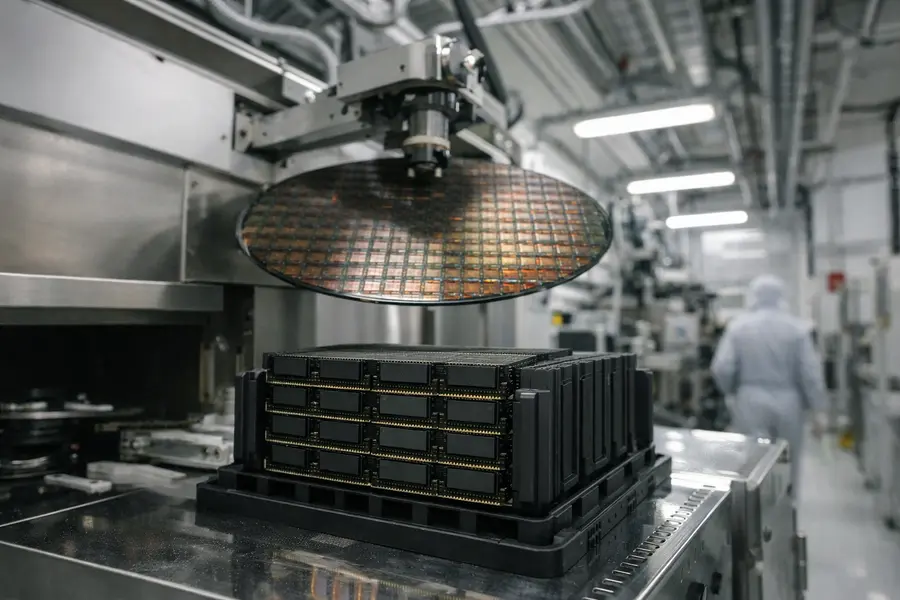
Supply chain conditions provided additional support. Bottlenecks at advanced packaging nodes and specialty substrate facilities - the primary manufacturing constraints throttling AI chip production through mid-2026 - eased measurably, reducing concerns that physical capacity limits would cap unit volumes even as orders held firm. Capacity additions at leading advanced packaging facilities in Taiwan and Japan began reaching productive throughput, reducing lead times for high-bandwidth memory integration and CoWoS stacking processes critical to frontier AI accelerator production.
Why Did Marvell Technology Stock and Corning Follow Higher?
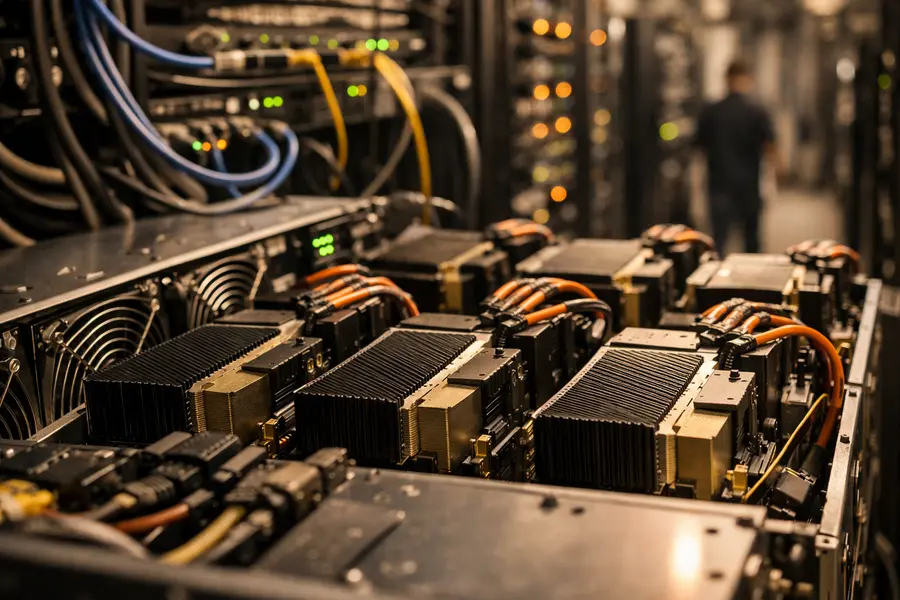
Marvell technology stock advanced on the same demand dynamic that drove ARM, with the company's custom AI silicon and data center networking businesses both directly leveraged to the hyperscaler buildout cycle. Marvell has positioned its custom ASIC design capability as a cost-effective alternative to general-purpose GPU compute for inference workloads, and improving demand visibility for ARM-based designs validated the broader inference-silicon thesis underpinning Marvell's current AI growth trajectory.
What Is the Yen Liquidation Risk?
The yen-driven liquidation overhang remained the most actively monitored constraint on the rally's continuation. A sustained period of yen strengthening against the dollar has pressured carry trades - leveraged positions funded by borrowing in low-yield yen and deployed into high-beta technology equities - creating periodic forced selling that has interrupted sector advances through the second half of 2026. As ARM and adjacent names moved higher on September 17, that overhang limited institutional participation from accounts with active currency exposure, capping volume relative to earlier 2026 advance sessions.
The dynamic illustrates the dual-track environment facing ai stocks broadly: fundamental demand data has remained constructive, while macro currency mechanics introduce episodic drawdown risk disconnected from underlying operating performance. The yen cross has emerged as a concurrent indicator for semiconductor positioning, with USDJPY levels monitored alongside chip sector order data as traders manage exposure size.
How Does the Shift to Inference Computing Affect the Sector?
The September 17 session reflected a consensus that solidified through the third quarter: AI infrastructure spending by the hyperscaler tier did not decelerate in the second half of 2026 as some observers projected following the 2025 capacity surge. Capex commitments from major cloud operators held at elevated levels, with the composition shifting toward inference - the operational deployment of trained models at scale - where ARM-based designs carry a structural cost and power-efficiency advantage over training-centric GPU architectures.
That shift toward inference-optimized compute is a structural tailwind for ARM's royalty model, which earns on each chip sold rather than on margin cycles at any single manufacturer. It similarly benefits Marvell, whose custom ASIC engagements target inference efficiency, and sustains demand for the optical connectivity infrastructure underpinning Corning's data center revenue.
Outlook
ARM's September 17 advance confirmed that the AI processor demand cycle entering Q4 2026 is characterized by durable hyperscaler commitments rather than inventory restocking. The 224% year-to-date gain reflects a repricing of ARM's royalty leverage to AI compute volumes that consensus is still absorbing. Marvell technology stock and Corning's sympathy moves point to broad supply chain normalization as a reinforcing tailwind. The yen-driven carry trade overhang remains the primary macro variable capable of interrupting momentum, and its resolution - or escalation - will likely determine whether the sector extends its advance through October or consolidates near current levels.
Mentioned tickers: ARM, MRVL, GLW, SMH, SOXL