Pomegra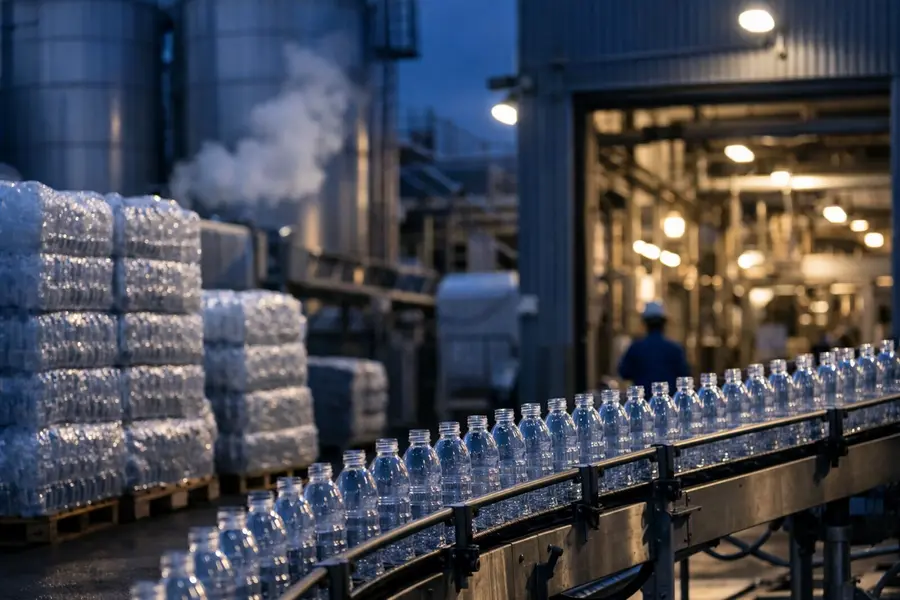
AMCR slipped 1% after earnings as the plastic containers giant targets $90 million in savings while Middle East inflation and climbing capex bite into cash flow.
- AMCR shares retreated roughly 1% on August 12 despite beating Q4 EPS and revenue estimates for the third consecutive quarter.
- Amcor's packaging factory consolidation program targets $90 million in operational savings over three fiscal years through 20-plus site closures and restructures.
- Middle East conflict inflated working capital by $500 million while full-year capital expenditure reached $922 million on record revenue of $23.5 billion.
Lead
Amcor plc (AMCR), the world's largest consumer packaging company, saw shares slip roughly 1% on August 12 even as fourth-quarter results exceeded analyst estimates on both earnings and revenue. Investors focused instead on twin pressures - an unresolved $500 million working-capital hole created by escalating Middle East conflict and capital expenditure running near $1 billion annually as the group digests its Berry Global integration.
What Drove the Stock Lower?
The decline came despite a strong headline print. Q4 net sales reached $6.4 billion, up 26% year over year, while adjusted earnings per share climbed 23% to $1.23, beating the $1.22 consensus. For the full fiscal year ended June 30, 2026, Amcor reported net sales of $23.5 billion - up 57% - and adjusted EPS of $4.02, a 13% increase. Yet free cash flow for the year came in at $1.3 billion, approximately $200 million short of the $1.5 billion to $1.6 billion guidance range. Investors priced in that shortfall alongside questions about when the Middle East overhang resolves.
Packaging Factory Savings: The $90M Program
Alongside its headline $650 million Berry Global integration synergy target, Amcor has outlined a discrete operational efficiency initiative targeting $90 million in cost savings over three fiscal years through the rationalization of its packaging factory network. More than 20 site closures and restructures have been approved or announced since the merger closed, including a plant in Fort Worth, Texas - part of the rigid packaging division that manufactures plastic containers, beverage bottles, and specialty containers. Layoffs at that site began in July 2026 as the company moved to consolidate production into larger, lower-cost facilities. The broader three-year synergy program is running ahead of schedule: Amcor realized $285 million in fiscal 2026, roughly 10% above its first-year target, with the breakdown including $325 million in procurement savings, $160 million in general and administrative efficiencies, and $60 million each in growth and financial benefits over the full timeline.
How Is Middle East Inflation Squeezing Margins?
The ongoing conflict in the Middle East has generated approximately $500 million in cumulative working-capital strain for Amcor - up from an initial $300 million estimate disclosed at the Q3 earnings call. The company deliberately built inventory buffers for plastic containers and flexible packaging supply chains in the region to ensure continuity amid resin price spikes, freight rate surges, and energy-linked feedstock volatility. To offset the cash impact, Amcor passed through $280 million in inflation during the fourth quarter alone, covering the vast majority of direct cost increases. Approximately 70% of the combined business operates under contractual clauses linking selling prices to raw material indices, providing structural protection. Management expects to recover the full $500 million working-capital overhang within 12 months, with between $100 million and $300 million potentially returning in the six-month transition period through December 31, 2026.
Why Is Rising Capex a Concern?
Capital expenditure reached $922 million in fiscal 2026, and management has guided for spending to remain near 5% of sales - implying a floor above $1 billion as revenue grows. That level of sustained investment reflects integration costs across both the Global Flexibles segment, which produces thin-film packaging for consumer goods, and Global Rigids, which manufactures plastic containers across North America and international markets. Adjusted EBIT margins for Rigids expanded 220 basis points to 11.0% in fiscal 2026, suggesting the capital deployment is yielding returns, but the near-term cash drain is constraining free cash flow. Net debt stood at $12.9 billion at quarter end, with leverage at 3.8x, against a year-end guidance target of 3.4x to 3.5x.
What Comes Next for AMCR?
Management projects double-digit adjusted EPS growth for calendar year 2027 alongside leverage approaching 3x by the end of that year. The six-month transition period to December 31, 2026 carries adjusted EPS guidance of $1.80 to $1.90 and a leverage target of 3.5x to 3.6x. Six non-core business divestitures totaling approximately $500 million in proceeds - transacted at roughly 6x EBIT - are earmarked entirely for debt reduction. The board raised the quarterly dividend to $0.65 per share.
Outlook
Amcor enters its transition period with synergy delivery ahead of plan and volumes beginning to turn positive, but two tangible risks remain: the pace of Middle East working-capital recovery and the sustained capital expenditure required to consolidate a significantly enlarged manufacturing footprint. The $90 million packaging factory savings program adds a complementary efficiency layer, but its full impact materializes in years two and three. Until Amcor demonstrates free cash flow meeting or exceeding guidance on a consistent basis, AMCR shares are likely to trade cautiously despite headline earnings beats.
Mentioned tickers: AMCR