🔥 Hot Headlines

AI: Economic Transformation, Geopolitical Rivalry, and Regulation

Artificial Intelligence (AI) is emerging as a transformative General Purpose Technology that promises long-term productivity growth, though its current economic impact is characterized by a shift in returns from labor to capital that exacerbates wealth inequality.

This transition is restructuring the labor market by increasing demand for high-skilled roles while simultaneously raising displacement risks for routine and low-skilled jobs, necessitating policy interventions such as upskilling and social safety net expansion.

Geopolitically, AI serves as a central axis of competition that has bifurcated global governance into the United States' innovation-driven model, China's state-led replication strategy, and the European Union's regulatory approach anchored by the risk-based AI Act.

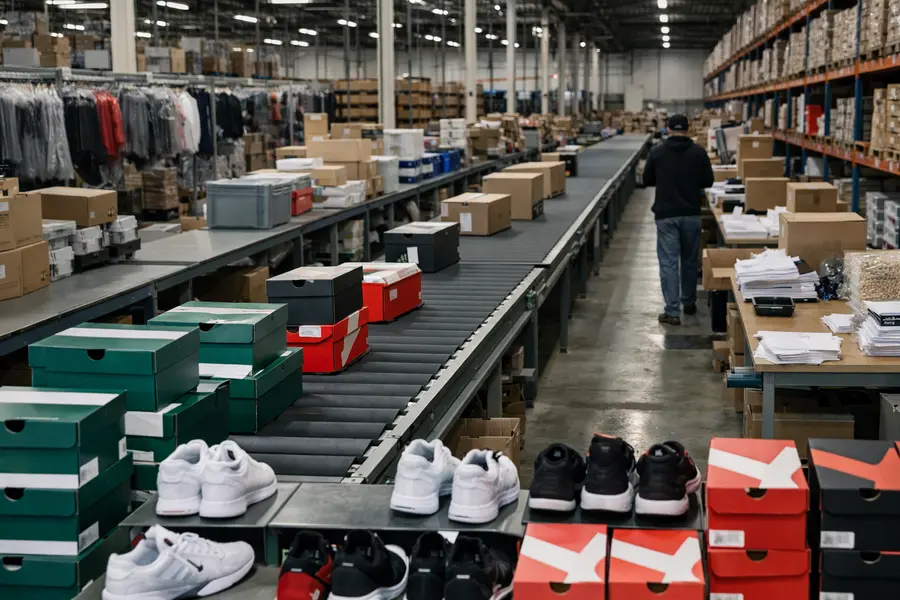
This rivalry is accelerating technological decoupling and encouraging the reshoring of manufacturing, as nations leverage automation to prioritize supply chain resilience over traditional cost-efficiency.

In the security domain, the integration of AI into military decision-support systems and autonomous weaponry poses existential risks by compressing decision-making timelines, which may increase the likelihood of miscalculation and nuclear escalation.

Consequently, governments are rushing to implement governance frameworks—ranging from the EU's extraterritorial legal mandates to US agency-specific risk guidelines—to balance these systemic risks with the need for responsible innovation.

AI: Economic Transformation, Geopolitical Rivalry, and Regulation

0:000:00

Podcast Breakdown

1

Inventing the method of invention

2

Boosting novices before displacing them

3

Universal income versus robot taxes

4

USA innovates, China copies, EU regulates

5

Speed of war risks escalation

6

Democratized fraud overwhelms state enforcement